
In today’s interconnected global economy, international events can influence markets and businesses almost instantly. A political decision in one country, a trade agreement between major economies, a geopolitical conflict, or even a natural disaster can trigger ripple effects across industries worldwide.
Businesses no longer operate within isolated national borders. Supply chains span continents, investors allocate capital globally, and consumers rely on products and services sourced from multiple countries. As a result, international developments have become a major factor shaping economic growth, investment decisions, corporate strategies, and financial market performance.
Understanding how global events impact businesses and markets is essential for investors, entrepreneurs, and business leaders seeking to navigate an increasingly complex economic environment.
The Growing Influence of Global Events
Globalization has strengthened economic connections between countries. Today, events occurring thousands of miles away can influence stock prices, commodity markets, and business operations within hours.
Key international events affecting markets include:
- Political elections and policy changes
- Trade negotiations and tariffs
- Geopolitical conflicts
- Economic sanctions
- Natural disasters
- Global health crises
- Energy market developments
- Technological breakthroughs
As information travels instantly through digital channels, markets react faster than ever before.
Financial Markets Respond to Global News
Financial markets are highly sensitive to uncertainty and opportunity.
When major international events occur, investors often reassess risks and adjust portfolios accordingly. These reactions can influence:
Stock Markets
Globalization has strengthened economic connections between countries. Today, events occurring thousands of miles away can influence stock prices, commodity markets, and business operations within hours.
Key international events affecting markets include:
- Political elections and policy changes
- Trade negotiations and tariffs
- Geopolitical conflicts
- Economic sanctions
- Natural disasters
- Global health crises
- Energy market developments
- Technological breakthroughs
As information travels instantly through digital channels, markets react faster than ever before.
Financial Markets Respond to Global News
Financial markets are highly sensitive to uncertainty and opportunity.
When major international events occur, investors often reassess risks and adjust portfolios accordingly. These reactions can influence:
Stock Markets
Stock prices reflect investor expectations about future corporate earnings.
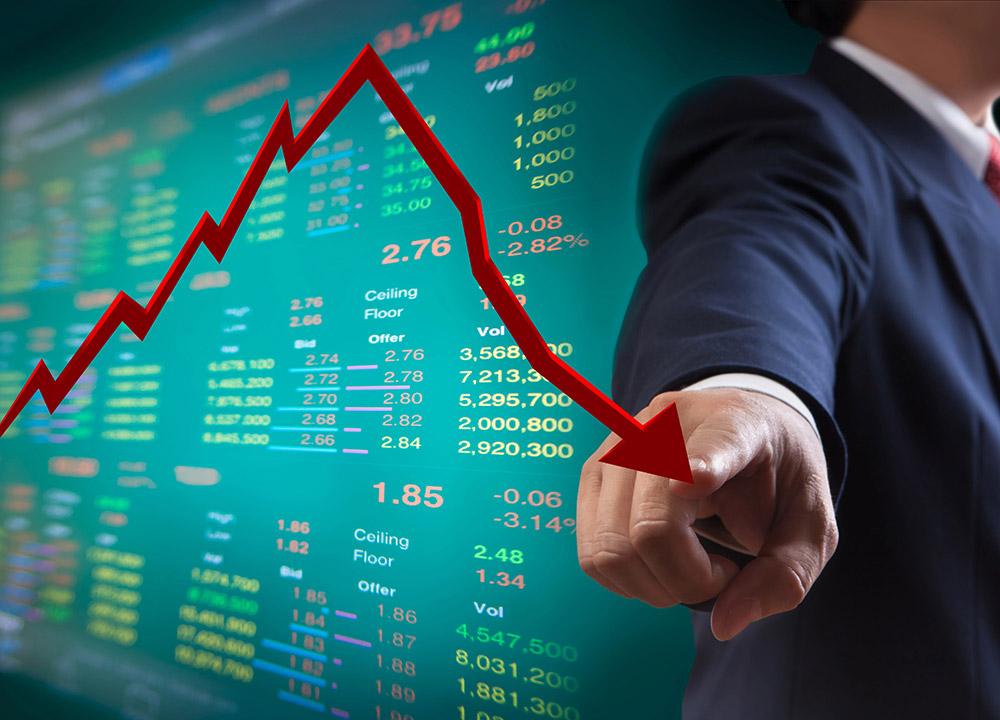
Positive international developments may boost investor confidence, leading to higher stock valuations. Conversely, geopolitical tensions or economic uncertainty can trigger market declines.
Industries affected most often include:
Transportation
Technology
Energy
Manufacturing
Financial services
Market participants continuously monitor global news to anticipate changes before they occur.
Geopolitical Tensions and Market Volatility
Geopolitical events remain one of the most significant sources of market volatility.
Conflicts, diplomatic disputes, and regional instability can disrupt trade routes, increase costs, and reduce investor confidence.
Common market reactions include:
- Rising commodity prices
- Increased demand for safe-haven assets
- Currency fluctuations
- Reduced business investment
Companies operating internationally must evaluate geopolitical risks as part of their long-term planning strategies.
International Trade Policies Affect Business Growth
Trade policies play a crucial role in shaping global commerce.
Governments frequently negotiate trade agreements designed to increase economic cooperation and reduce barriers.
Positive trade developments often lead to:
- Increased exports
- Expanded market access
- Lower business costs
- Stronger economic growth
However, tariffs and trade restrictions can create challenges by increasing production expenses and limiting international opportunities.
Businesses that rely heavily on global supply chains are especially sensitive to trade policy changes.
Central Bank Decisions Influence Global Markets
Monetary policy decisions made by major central banks often impact markets far beyond their national borders.
Interest rate changes influence:
- Borrowing costs
- Currency values
- Investment activity
- Consumer spending
When central banks adjust policy, investors worldwide reevaluate expectations for economic growth and corporate profitability.
Global markets closely follow announcements from leading financial institutions because these decisions affect capital flows across economies.
Energy Markets and Global Economic Stability
Energy remains a fundamental component of the global economy.
International events affecting oil, natural gas, and renewable energy markets can influence:
- Transportation costs
- Manufacturing expenses
- Inflation levels
- Consumer purchasing power
Supply disruptions often lead to higher energy prices, while increased production may lower costs and support economic growth.
Businesses across nearly every industry monitor energy market developments because of their direct impact on operating expenses.
Supply Chain Disruptions Affect Global Business
Modern supply chains connect manufacturers, suppliers, and consumers across multiple countries.
International events can disrupt these networks through:
- Transportation delays
- Trade restrictions
- Labor shortages
- Infrastructure damage
Supply chain disruptions can increase costs, delay production, and reduce product availability.
As a result, many companies are diversifying suppliers and strengthening operational resilience to minimize future risks.
Currency Fluctuations Impact International Commerce
Currency markets react quickly to international developments.
Changes in exchange rates influence:
- Import and export costs
- Corporate earnings
- Foreign investment returns
- International competitiveness
Businesses operating globally often use financial strategies to manage currency risks and protect profitability.
Stable currencies generally encourage investment, while extreme volatility can create uncertainty for both businesses and consumers.
Technology and Innovation Drive Global Competition
International technological developments significantly influence markets and industries.
Advances in areas such as:
- Artificial intelligence
- Automation
- Cloud computing
- Cybersecurity
- Renewable energy
are reshaping competitive dynamics worldwide.
Companies that adopt emerging technologies often gain efficiency advantages and strengthen their market positions.
Technology innovation has become one of the most important drivers of long-term economic growth.
Global Health Events and Economic Activity
Recent years demonstrated how global health events can affect virtually every sector of the economy.
Health-related disruptions may influence:
- Consumer behavior
- Workforce availability
- Travel demand
- Manufacturing operations
Businesses increasingly incorporate health preparedness into risk management strategies to maintain continuity during unexpected events.
The lessons learned from previous global health challenges continue to shape corporate planning today.
Investor Sentiment and Market Psychology
Financial markets are influenced not only by economic fundamentals but also by investor sentiment.
International events often affect confidence levels, which can drive significant market movements.
Positive developments typically encourage:
- Increased investment activity
- Higher risk tolerance
- Stronger market performance
Negative headlines may lead to:
- Market volatility
- Reduced spending
- Capital preservation strategies
Understanding market psychology helps investors interpret short-term reactions to global events.
Emerging Markets and International Opportunities
Many international events create opportunities in emerging economies.
Developing nations often experience growth through:
- Infrastructure investment
- Industrial expansion
- Digital transformation
- Rising consumer demand
Global businesses increasingly seek opportunities in these markets to diversify revenue sources and support long-term growth.
However, success requires understanding local regulations, cultural differences, and economic conditions.
Business Strategies for Navigating International Uncertainty
Companies facing global uncertainty often adopt several key strategies:
Diversification
Expanding into multiple markets reduces dependence on any single region.
Risk Management
Businesses identify potential threats and develop contingency plans.
Supply Chain Flexibility
Multiple suppliers improve resilience during disruptions.
Technology Investment
Digital tools improve operational efficiency and decision-making.
Market Intelligence
Continuous monitoring of international developments supports proactive planning.
Organizations that prepare for uncertainty often outperform competitors during challenging periods.
The Future of Global Business
International events will continue shaping markets and business decisions for years to come.
Several trends are expected to influence the future:
- Increased digital globalization
- Expansion of renewable energy industries
- Growth of artificial intelligence
- Evolving geopolitical relationships
- Greater focus on sustainability
Businesses that remain adaptable and informed will be best positioned to capitalize on future opportunities.
Global economic success increasingly depends on understanding how international developments influence local and global markets.
Conclusion
International events play a critical role in shaping financial markets and business operations worldwide. Political decisions, trade policies, technological innovation, energy developments, and geopolitical developments all contribute to changing economic conditions.
In today’s interconnected environment, businesses and investors must remain aware of global trends and prepare for both risks and opportunities. Companies that embrace flexibility, diversification, and innovation are better equipped to navigate uncertainty and achieve sustainable growth.
As international connections continue to strengthen, understanding the relationship between global events and economic outcomes will become even more important for long-term success.
FAQs
1. How do international events affect financial markets?
International events influence investor confidence, economic expectations, commodity prices, and corporate earnings, often causing market fluctuations.
2. Why are global trade policies important for businesses?
Trade policies determine market access, tariffs, and operating costs, directly impacting business profitability and growth opportunities.
3. How do geopolitical tensions impact markets?
Geopolitical uncertainty can increase volatility, affect energy prices, disrupt trade routes, and reduce investor confidence.
4. What role do central banks play in global markets?
Central banks influence interest rates, inflation, borrowing costs, and investment activity, affecting markets worldwide.
5. Why are supply chains vulnerable to international events?
Global supply chains depend on transportation networks, trade agreements, and stable political conditions, making them sensitive to disruptions.
6. How do currency fluctuations affect businesses?
Exchange rate changes impact import costs, export competitiveness, foreign revenue, and investment returns.
7. Can international events create business opportunities?
Yes. Emerging markets, technological innovation, and changing trade relationships often generate new growth opportunities.
8. How can businesses prepare for global uncertainty?
Businesses can strengthen resilience through diversification, risk management, flexible supply chains, and
