

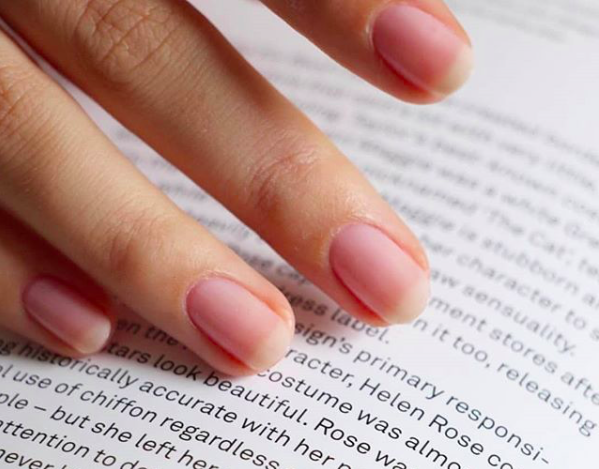
Healthy nails are more than just a beauty feature—they are an important indicator of your overall health and well-being. Strong, smooth, and well-maintained nails not only enhance the appearance of your hands but also protect your fingertips and support everyday activities. Unfortunately, many people struggle with brittle nails, slow growth, peeling, discoloration, and other common nail problems.
The good news is that achieving healthy nails is possible with the right combination of nutrition, proper grooming, hydration, and protective care. Whether you want stronger nails, faster growth, or a more polished appearance, understanding the fundamentals of nail health can help you reach your goals.
In this complete guide, you’ll learn everything you need to know about maintaining strong, beautiful, and healthy nails, including daily care routines, nutritional tips, common nail problems, and expert recommendations.
What Are Healthy Nails?
Healthy nails typically have the following characteristics:
- Smooth surface
- Consistent color
- Strong structure
- No deep ridges or cracks
- Even growth pattern
- Healthy cuticles
- Minimal breakage
Nails are made primarily of keratin, a protective protein that is also found in hair and skin. Proper nail health depends on both internal and external factors.
Why Nail Health Matters
Your nails often reflect your overall health status. Changes in nail appearance can sometimes signal nutritional deficiencies, dehydration, infections, or other health concerns.
Benefits of Healthy Nails
- Improved appearance
- Better hand hygiene
- Reduced risk of infections
- Increased confidence
- Less breakage and splitting
- Easier maintenance
Investing in nail care can provide long-term health and cosmetic benefits.
Understanding Nail Structure
To care for your nails properly, it’s important to understand their basic structure.
Nail Plate
The visible hard part of the nail.
Nail Bed
The skin underneath the nail plate.
Cuticle
A protective layer that seals the area between the nail and skin.
Nail Matrix
The area where new nail cells are produced.
Lunula
The small, white crescent-shaped area at the base of the nail.
Each part plays a role in maintaining healthy nail growth and strength.
Essential Nutrients for Strong Nails
Nutrition is one of the most important factors affecting nail health.
Protein
Nails consist largely of keratin, which requires adequate protein intake.
Good Protein Sources
- Eggs
- Chicken
- Fish
- Greek yogurt
- Beans
Biotin
Biotin is often associated with stronger nails and reduced brittleness.
Sources of Biotin
- Eggs
- Almonds
- Sweet potatoes
- Seeds
Iron
Iron deficiency can contribute to weak or brittle nails.
Iron-Rich Foods
- Spinach
- Lentils
- Red meat
- Tofu
Zinc
Zinc supports tissue growth and repair.
Sources
- Shellfish
- Beef
- Pumpkin seeds
- Chickpeas
Vitamin C
Vitamin C helps produce collagen, which supports nail structure.
Sources
- Oranges
- Strawberries
- Bell peppers
- Kiwi
A balanced diet provides the nutrients needed for healthy nail growth.
The Importance of Hydration
Hydration affects nearly every aspect of health, including nail condition.
Benefits of Staying Hydrated
- Prevents brittleness
- Improves flexibility
- Reduces splitting
- Supports growth
Drink water consistently throughout the day to help maintain healthy nails.
Daily Nail Care Routine
Consistency is key when it comes to maintaining healthy nails.
Morning Routine
- Wash hands gently
- Apply hand moisturizer
- Protect nails during daily tasks
Afternoon Routine
- Reapply moisturizer as needed
- Avoid biting or picking nails
Evening Routine
- Clean nails carefully
- Apply cuticle oil
- Moisturize hands before bed
Simple daily habits can significantly improve nail health over time.
How to Keep Nails Strong
1. Moisturize Regularly
Dry nails are more likely to split and break.
2. Wear Protective Gloves
Protect nails from cleaning products and excessive water exposure.
3. Trim Nails Properly
Use clean nail clippers and trim regularly.
4. File Correctly
File gently in one direction to prevent splitting.
5. Avoid Using Nails as Tools
Opening cans or scratching surfaces can damage the nail plate.
These habits help maintain strong and resilient nails.
Common Nail Problems and Their Causes
Brittle Nails
Causes
- Dehydration
- Aging
- Chemical exposure
Solutions
- Increase hydration
- Moisturize frequently
- Protect nails from chemicals
Peeling Nails
Causes
- Excessive water exposure
- Nutritional deficiencies
Solutions
- Wear gloves
- Improve nutrition
Yellow Nails
Causes
- Nail polish staining
- Smoking
- Fungal infections
Solutions
- Use base coats
- Seek treatment if symptoms persist
Slow Nail Growth
Causes
- Poor nutrition
- Stress
- Underlying health issues
Solutions
- Improve diet
- Manage stress
- Follow a healthy lifestyle
Nail Care Mistakes to Avoid
Many common habits can damage otherwise healthy nails.
Cutting Cuticles
This increases the risk of infection.
Nail Biting
Damages the nail bed and surrounding skin.
Excessive Use of Acetone
Can dry out nails and increase brittleness.
Over-Filing
Weakens the nail structure.
Constant Nail Polish Use
May contribute to dryness and discoloration.
Avoiding these mistakes helps preserve nail strength and appearance.
Natural Remedies for Healthy Nails
Coconut Oil
Provides hydration and nourishment.
Olive Oil
Helps improve nail flexibility.
Aloe Vera
Supports moisture retention.
Vitamin E Oil
May strengthen and protect nails.
Natural remedies can complement a healthy nail care routine.
How Lifestyle Affects Nail Health
Your daily habits can significantly impact nail condition.
Sleep
Adequate sleep supports overall cell repair and growth.
Exercise
Improves circulation and nutrient delivery.
Stress Management
Chronic stress may affect nail growth and quality.
Smoking
Can contribute to nail discoloration and reduced health.
Healthy lifestyle choices often lead to healthier nails.
Professional Nail Care Tips
Choose Reputable Nail Salons
Ensure proper hygiene and sterilization practices.
Limit Artificial Nail Use
Extended use may weaken natural nails.
Use Quality Products
Invest in nail care products that support hydration and protection.
Take Polish Breaks
Allow nails to recover between applications.
Professional care combined with good habits can maximize nail health.
Signs You Should See a Doctor
While many nail problems can be addressed with proper care, some symptoms may require medical attention.
Warning Signs
- Persistent pain
- Thickened nails
- Dark streaks
- Severe discoloration
- Swelling around the nail
- Nail separation from the nail bed
Consult a healthcare professional if these symptoms persist.
How Long Does It Take to Improve Nail Health?
Healthy nail growth takes time.
Average Nail Growth
- Fingernails grow approximately 2–3 millimeters per month.
- Complete fingernail replacement may take 4–6 months.
Consistent care is essential for long-term improvement.
Benefits of Maintaining Healthy Nails
By following proper nail care practices, you may enjoy:
- Stronger nails
- Reduced breakage
- Improved appearance
- Healthier cuticles
- Better growth
- Enhanced confidence
Small daily efforts often produce significant results over time.
Conclusion
Healthy nails are the result of consistent care, proper nutrition, hydration, and protective habits. Strong, beautiful nails don’t require expensive treatments—simple daily practices can make a remarkable difference.
By understanding nail structure, maintaining a balanced diet, staying hydrated, avoiding damaging habits, and following a regular nail care routine, you can enjoy stronger and healthier nails for years to come.
Remember that nail health reflects overall wellness. Taking care of your nails is an investment in both your appearance and your health.
Frequently Asked Questions (FAQs)
1. What are the signs of healthy nails?
Healthy nails are smooth, strong, evenly colored, and free from significant cracks, discoloration, or breakage.
2. How can I make my nails stronger naturally?
Maintain a balanced diet, stay hydrated, moisturize regularly, and protect nails from damage.
3. What foods are best for healthy nails?
Eggs, fish, nuts, leafy greens, beans, seeds, and citrus fruits support nail health.
4. How often should I moisturize my nails?
At least twice daily, especially after washing your hands.
5. Why do my nails keep breaking?
Common causes include dehydration, poor nutrition, chemical exposure, and improper nail care habits.
6. Is biotin good for nail growth?
Biotin may help improve nail strength and reduce brittleness in some individuals.
7. Can nail polish damage nails?
Frequent use without breaks may cause dryness and discoloration.
8. How long does it take to grow healthy nails?
Visible improvements often appear within weeks, while complete nail growth may take several months.
9. Should I cut my cuticles?
No. It is generally better to gently push them back rather than cut them.
10. When should I seek medical advice for nail problems?
Consult a healthcare professional if you notice persistent pain, discoloration, thickening, swelling, or unusual nail changes.
