

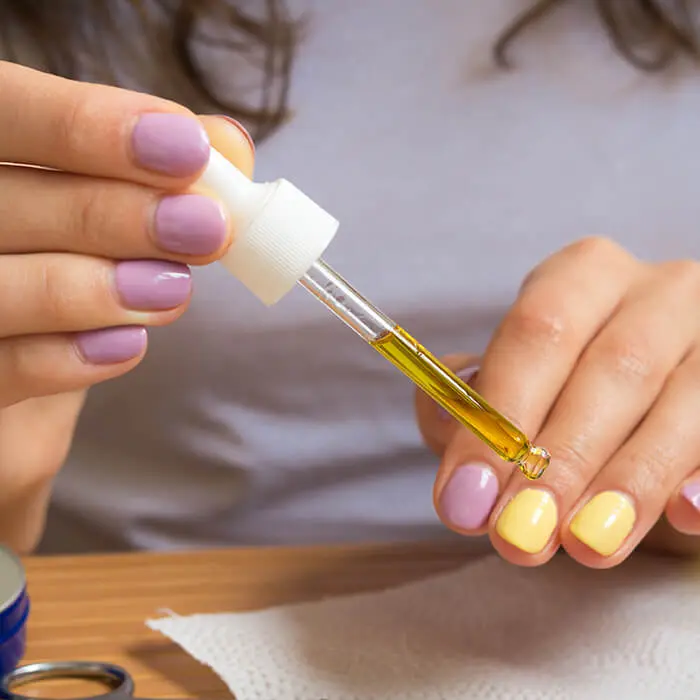
Healthy, strong nails are more than just a beauty asset—they are often a reflection of your overall health. Whether you enjoy stylish manicures or prefer a natural look, maintaining proper nail care is essential for preventing breakage, infections, and other common nail problems. With the right habits, nutrition, and care routine, anyone can achieve healthier and stronger nails.
This complete nails care guide covers everything you need to know about nail health, growth, maintenance, and prevention of common issues.
Why Nail Care Matters
Your fingernails and toenails are made of keratin, a protein that also forms your hair and the outer layer of your skin. Healthy nails protect the sensitive tissues beneath them and help with daily activities such as gripping, scratching, and handling small objects.
Poor nail care can lead to brittle nails, fungal infections, splitting, discoloration, and slow nail growth. By following a consistent nail care routine, you can keep your nails strong, attractive, and healthy.
Understanding Healthy Nails
Before diving into nail care tips, it is important to know what healthy nails look like.
Healthy nails typically have:
- A smooth surface
- Consistent color
- No deep ridges or grooves
- Strong structure without splitting
- Healthy cuticles
- Minimal breakage
If you notice persistent discoloration, pain, swelling, or significant changes in nail appearance, consult a healthcare professional.
Essential Daily Nail Care Tips
1. Keep Your Nails Clean
Clean nails help prevent bacterial and fungal infections. Wash your hands regularly and gently clean under your nails using a soft brush.
Avoid using sharp tools that can damage the nail bed or surrounding skin.
2. Trim Nails Regularly
Regular trimming keeps nails neat and reduces the risk of breakage.
Tips for proper trimming:
- Use clean nail clippers
- Cut nails straight across
- Smooth edges with a nail file
- Avoid cutting nails too short
Maintaining an appropriate nail length helps prevent snagging and splitting.
3. Moisturize Your Nails and Cuticles
Just like skin, nails need moisture to stay healthy.
Apply:
- Hand cream
- Cuticle oil
- Moisturizing lotion
Pay special attention after washing your hands or using hand sanitizer, as these can dry out nails and cuticles.
4. Avoid Excessive Water Exposure
Constant exposure to water can weaken nails and make them prone to splitting.
Wear protective gloves when:
- Washing dishes
- Cleaning the house
- Gardening
- Using chemicals
This simple habit can significantly improve nail strength.
5. Stop Nail Biting
Nail biting damages nail tissue and increases the risk of infection.
To overcome nail biting:
- Keep nails trimmed
- Use bitter-tasting nail solutions
- Identify stress triggers
- Practice stress-management techniques
Breaking this habit can dramatically improve nail appearance and health.
Best Foods for Healthy Nails
Nutrition plays a crucial role in nail growth and strength.
Protein
Since nails are made primarily of protein, consuming adequate amounts supports healthy nail growth.
Protein-rich foods include:
- Eggs
- Fish
- Chicken
- Beans
- Lentils
- Greek yogurt
Biotin
Biotin is often associated with stronger nails.
Sources include:
- Eggs
- Nuts
- Seeds
- Sweet potatoes
- Salmon
Iron
Iron deficiency can contribute to brittle or spoon-shaped nails.
Good iron sources include:
- Spinach
- Red meat
- Beans
- Tofu
- Fortified cereals
Zinc
Zinc supports tissue growth and repair.
Foods rich in zinc:
- Pumpkin seeds
- Chickpeas
- Beef
- Cashews
Vitamin C
Vitamin C helps produce collagen, which supports nail strength.
Sources include:
- Oranges
- Strawberries
- Bell peppers
- Kiwi
- Broccoli
Omega-3 Fatty Acids
Omega-3s help keep nails hydrated.
Found in:
- Salmon
- Sardines
- Walnuts
- Flaxseeds
Common Nail Problems and Solutions
Brittle Nails
Brittle nails often result from:
- Frequent hand washing
- Dry weather
- Chemical exposure
- Aging
Solutions:
- Moisturize regularly
- Wear gloves
- Reduce acetone-based nail polish remover use
Yellow Nails
Yellowing may occur due to:
- Dark nail polish
- Smoking
- Fungal infections
Solutions:
- Take breaks from nail polish
- Maintain proper hygiene
- Seek medical treatment if infection is suspected
White Spots on Nails
White spots usually result from minor trauma to the nail.
They generally disappear as the nail grows out.
Nail Splitting
Splitting nails can occur because of dryness or repeated trauma.
Solutions include:
- Keeping nails moisturized
- Avoiding harsh chemicals
- Using strengthening treatments
Fungal Nail Infections
Symptoms may include:
- Thickened nails
- Yellow discoloration
- Crumbling edges
Consult a healthcare professional for appropriate treatment if symptoms persist.
The Importance of Cuticle Care
Cuticles act as a protective barrier against infection.
Healthy cuticle care includes:
- Moisturizing regularly
- Avoiding aggressive cutting
- Gently pushing back cuticles when necessary
Cutting cuticles excessively can increase infection risks and damage nail growth.
Nail Care Do’s and Don’ts
Do’s
- Keep nails clean
- Moisturize daily
- Wear protective gloves
- Eat a balanced diet
- Use quality nail tools
- Allow nails to rest between manicures
Don’ts
- Bite nails
- Pick at cuticles
- Use nails as tools
- Overuse nail polish removers
- Ignore signs of infection
Following these simple guidelines can significantly improve nail health over time.
Nail Care During Different Seasons
Winter Nail Care
Cold weather can make nails dry and brittle.
Tips:
- Use thicker moisturizers
- Wear gloves outdoors
- Stay hydrated
Summer Nail Care
Heat, chlorine, and sun exposure can affect nails.
Tips:
- Moisturize after swimming
- Protect nails from excessive sun exposure
- Stay hydrated
Seasonal adjustments help maintain strong nails year-round.
Safe Manicure Practices
Manicures can enhance nail appearance, but safety is important.
Choose salons that:
- Sterilize tools properly
- Maintain clean workstations
- Use fresh disposable supplies when possible
If doing nails at home:
- Use sanitized tools
- Avoid aggressive filing
- Give nails time to recover between treatments
Healthy nails should always be prioritized over cosmetic appearance.
Natural Remedies for Stronger Nails
Several natural remedies may help support nail health.
Coconut Oil
Coconut oil can help moisturize nails and cuticles.
Olive Oil
Soaking nails in warm olive oil may improve hydration.
Lemon Juice
Lemon juice can help reduce superficial staining.
Aloe Vera
Aloe vera provides hydration and may support overall nail health.
While natural remedies can be beneficial, they work best when combined with proper nutrition and consistent nail care.
Signs You Should See a Doctor
Seek professional medical advice if you notice:
- Persistent nail discoloration
- Pain around the nail
- Swelling or redness
- Thickened nails
- Separation of the nail from the nail bed
- Dark streaks that do not disappear
Early diagnosis can help prevent complications.
Conclusion
Healthy, strong nails are achievable with the right combination of proper hygiene, nutrition, hydration, and regular maintenance. By following a consistent nail care routine, protecting your nails from damage, and addressing issues early, you can enjoy beautiful nails that reflect your overall wellness.
Whether your goal is faster nail growth, stronger nails, or simply maintaining a polished appearance, investing time in nail care will provide long-lasting benefits for both health and confidence.
Frequently Asked Questions (FAQs)
1. How can I make my nails stronger naturally?
Eat a balanced diet rich in protein, biotin, iron, and zinc while keeping nails moisturized and protected from excessive water and chemicals.
2. How fast do fingernails grow?
Fingernails typically grow about 2–3 millimeters per month, though growth rates vary between individuals.
3. Is nail polish bad for nails?
Occasional use is generally safe, but constant use without breaks may contribute to dryness and discoloration.
4. What causes brittle nails?
Brittle nails are often caused by frequent water exposure, chemical contact, dry weather, aging, or nutritional deficiencies.
5. Should I cut my cuticles?
It is generally better to avoid cutting cuticles. Instead, gently push them back and keep them moisturized.
6. Can diet affect nail health?
Yes. Nutrient deficiencies, especially in protein, iron, zinc, and vitamins, can negatively impact nail growth and strength.
7. How often should I trim my nails?
Most people benefit from trimming their nails every one to two weeks, depending on growth rate.
8. Why are my nails turning yellow?
Yellow nails may result from nail polish staining, smoking, aging, or fungal infections.
9. Can stress affect nail health?
Yes. Stress may contribute to nail biting, slow growth, and certain nail abnormalities.
10. What is the best daily nail care routine?
Keep nails clean, moisturize regularly, trim as needed, eat a nutrient-rich diet, and protect nails from excessive moisture and chemicals.
