

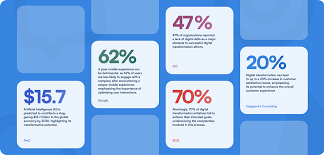
The digital economy is rapidly becoming the backbone of global economic growth. As businesses, governments, and consumers increasingly embrace digital technologies, new opportunities are emerging across industries worldwide. From e-commerce and cloud computing to artificial intelligence and digital payments, technology adoption is transforming how people work, shop, communicate, and invest.
The acceleration of digital transformation has fundamentally changed traditional business models. Organizations are leveraging advanced technologies to improve efficiency, reduce costs, enhance customer experiences, and create innovative products and services. At the same time, consumers are becoming more connected than ever, driving demand for digital solutions across nearly every aspect of daily life.
As technology continues to evolve, the digital economy is expected to play an even greater role in shaping global growth, employment, and investment opportunities. Understanding the forces driving this expansion is essential for businesses, investors, and policymakers alike.
Key Components of the Digital Economy
- E-commerce
- Cloud computing
- Artificial intelligence
- Digital payments
- Online services
- Data analytics
- Cybersecurity
- Financial technology (Fintech)
These technologies collectively contribute to economic productivity, innovation, and global connectivity.
Technology Adoption Accelerates Worldwide
Technology adoption has increased significantly over the past decade, and the pace continues to accelerate.
Businesses are investing heavily in digital infrastructure to remain competitive in a rapidly changing marketplace. Consumers are also embracing digital solutions that offer convenience, speed, and accessibility.
Factors Driving Technology Adoption
- Increased internet access
- Affordable mobile devices
- Cloud-based solutions
- Remote work trends
- Growing demand for digital services
- Advancements in artificial intelligence
These factors have created a strong foundation for the continued expansion of the digital economy.
E-Commerce Continues to Grow
E-commerce remains one of the most visible examples of digital economic growth.
Consumers increasingly prefer online shopping because it offers convenience, competitive pricing, and access to a wider range of products.
Benefits of E-Commerce
- Global market reach
- Lower operating costs
- Personalized shopping experiences
- Faster transactions
- Enhanced customer engagement
Businesses that invest in digital commerce platforms are often able to reach new customers and increase revenue streams.
The growth of mobile commerce is further accelerating online retail expansion worldwide.
Artificial Intelligence Drives Innovation
Artificial intelligence (AI) has emerged as a transformative force within the digital economy.
AI enables businesses to analyze vast amounts of data, automate processes, and improve decision-making.
Applications of AI
- Customer service chatbots
- Predictive analytics
- Fraud detection
- Personalized recommendations
- Supply chain optimization
Organizations that successfully integrate AI often gain competitive advantages through increased efficiency and innovation.
As AI capabilities continue to improve, its influence on economic growth is expected to expand significantly.
Cloud Computing Powers Digital Transformation
Cloud computing has become a cornerstone of the modern digital economy.
Rather than relying solely on traditional infrastructure, businesses can access computing resources through cloud-based platforms.
Advantages of Cloud Computing
- Scalability
- Cost efficiency
- Enhanced collaboration
- Remote accessibility
- Improved security
Cloud technology allows organizations to adapt quickly to changing market demands while supporting innovation and growth.
The continued migration to cloud services is expected to remain a major trend throughout 2026 and beyond.
Digital Payments Transform Financial Transactions
Digital payment systems are changing how consumers and businesses conduct transactions.
The adoption of cashless payment methods has increased significantly due to convenience and technological advancements.
Popular Digital Payment Solutions
- Mobile wallets
- Contactless payments
- Online banking
- Real-time transfers
- Peer-to-peer payment apps
Digital payments support e-commerce growth while improving financial inclusion in many regions.
Businesses benefit from faster processing times and enhanced customer experiences.
Fintech Expands Financial Access
Financial technology, or fintech, is reshaping traditional banking and financial services.
Digital platforms are making financial products more accessible to individuals and businesses around the world.
Key Fintech Innovations
- Mobile banking
- Online lending
- Digital investing platforms
- Automated financial advice
- Blockchain-based services
Fintech solutions reduce barriers to financial participation and help create more inclusive economies.
Investors continue to show strong interest in fintech companies due to their growth potential.
Big Data Becomes a Strategic Asset
Data has become one of the most valuable resources in the digital economy.
Businesses generate massive amounts of information daily, and advanced analytics tools help transform this data into actionable insights.
Benefits of Big Data Analytics
- Improved customer understanding
- Better forecasting
- Enhanced operational efficiency
- Risk management
- Strategic decision-making
Organizations that effectively leverage data often gain stronger competitive positions and higher profitability.
Cybersecurity Gains Importance
As digital adoption grows, cybersecurity has become a critical priority.
Businesses and governments must protect sensitive information from increasingly sophisticated cyber threats.
Key Cybersecurity Measures
- Multi-factor authentication
- Data encryption
- Threat detection systems
- Cloud security solutions
- Employee awareness training
Strong cybersecurity practices help maintain trust, protect assets, and ensure business continuity.
Cybersecurity spending is expected to continue rising as digital transformation accelerates.
Remote Work Supports the Digital Economy
Remote and hybrid work models have become a permanent feature of many organizations.
Digital collaboration tools enable employees to work efficiently regardless of location.
Benefits of Remote Work Technology
- Increased flexibility
- Reduced overhead costs
- Access to global talent
- Improved productivity
- Enhanced work-life balance
The shift toward remote work has increased demand for cloud services, communication platforms, and cybersecurity solutions.
Emerging Technologies Create New Opportunities
Several emerging technologies are expected to further expand the digital economy.
Technologies Shaping the Future
- Artificial intelligence
- Internet of Things (IoT)
- Blockchain
- Quantum computing
- Augmented reality
- Virtual reality
These innovations have the potential to create entirely new industries and transform existing business models.
Investors are closely monitoring these sectors for future growth opportunities.
Digital Economy Benefits Businesses
Organizations that embrace digital technologies often experience significant advantages.
Business Benefits
- Increased efficiency
- Lower operational costs
- Faster innovation
- Improved customer experiences
- Expanded market reach
Digital transformation helps businesses remain competitive in rapidly evolving markets.
Companies that fail to adapt may struggle to keep pace with industry changes.
Challenges Facing the Digital Economy
Despite its growth, the digital economy faces several challenges.
Common Challenges
- Cybersecurity risks
- Data privacy concerns
- Digital skills shortages
- Regulatory uncertainty
- Technology implementation costs
Addressing these challenges requires collaboration among businesses, governments, and educational institutions.
Investments in infrastructure, workforce development, and security will be critical for sustainable growth.
Investment Opportunities in the Digital Economy
The expansion of the digital economy is creating numerous opportunities for investors.
High-Growth Areas
- Artificial intelligence
- Cloud computing
- Cybersecurity
- Fintech
- E-commerce
- Digital infrastructure
Investors seeking long-term growth often focus on companies positioned to benefit from ongoing digital transformation.
As technology adoption continues to increase, these sectors may remain attractive for years to come.
The future of the digital economy appears highly promising.
Challenges Facing the Digital Economy
Continued innovation, expanding internet access, and increasing technology adoption are expected to drive further growth.
Key future trends include:
- Greater AI integration
- Expansion of digital financial services
- Increased automation
- Smarter data utilization
- Growth in connected devices
- Enhanced cybersecurity solutions
These developments will continue reshaping industries and creating new opportunities across the global economy.
Conclusion
The digital economy is expanding at an unprecedented pace as technology adoption grows across businesses, governments, and consumers. Innovations in artificial intelligence, cloud computing, fintech, e-commerce, and cybersecurity are transforming traditional industries and creating new pathways for economic growth.
Organizations that embrace digital transformation can improve efficiency, enhance customer experiences, and remain competitive in a rapidly evolving marketplace. Meanwhile, investors have access to a wide range of opportunities within high-growth technology sectors.
As the world becomes increasingly connected, the digital economy will remain a major driver of innovation, productivity, and global prosperity for years to come.
FAQs
1. What is the digital economy?
The digital economy includes economic activities driven by digital technologies, internet connectivity, and data-based innovation.
2. Why is the digital economy growing?
Growth is driven by increased technology adoption, internet access, digital payments, e-commerce, and cloud computing.
3. How does artificial intelligence support the digital economy?
AI improves efficiency, automates processes, enhances decision-making, and creates new business opportunities.
4. What role does cloud computing play?
Cloud computing provides scalable and cost-effective technology infrastructure that supports digital transformation.
5. Why are digital payments important?
Digital payments enable faster, more secure, and more convenient financial transactions for businesses and consumers.
6. What industries benefit most from digital transformation?
Retail, finance, healthcare, manufacturing, logistics, and education are among the industries benefiting significantly.
7. What are the biggest challenges facing the digital economy?
Cybersecurity threats, data privacy concerns, digital skills shortages, and regulatory issues are major challenges.
8. What sectors offer investment opportunities in the digital economy?
Artificial intelligence, fintech, cybersecurity, cloud computing, e-commerce, and digital infrastructure are key investment sectors.
