
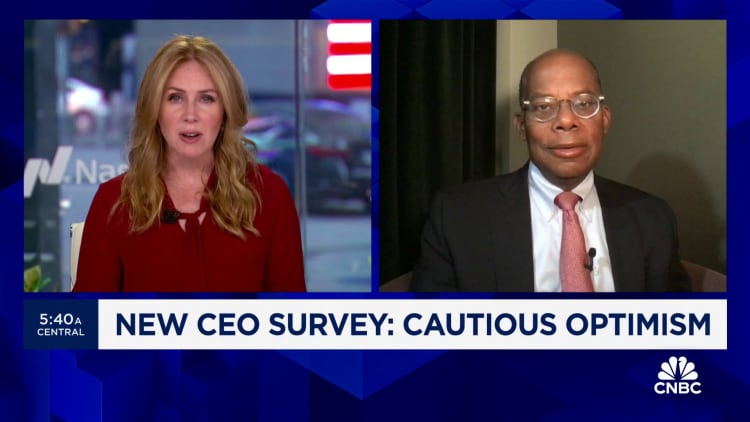
Global business leaders are entering 2026 with cautious optimism, but many chief executive officers (CEOs) are also raising concerns about emerging market risks that could influence economic growth, corporate profitability, and investor confidence. While technological innovation, digital transformation, and expanding global markets continue to create opportunities, new challenges are forcing companies to rethink their strategies.
From inflationary pressures and geopolitical tensions to cybersecurity threats and changing consumer behavior, businesses are navigating a complex landscape. CEOs across industries are increasingly focused on risk management, operational resilience, and long-term sustainability to ensure continued growth.
Understanding these risks is critical for investors, entrepreneurs, and business professionals seeking to make informed decisions in a rapidly changing environment. This article explores the major concerns highlighted by business leaders and provides a comprehensive outlook on what lies ahead for global markets and industries.
Business leaders are working to balance innovation with responsible implementation.
Why CEOs Are Becoming More Cautious
Business leaders have experienced significant economic disruptions over the past few years. Supply chain challenges, inflation spikes, labor shortages, and geopolitical conflicts have demonstrated how quickly market conditions can change.
Today’s CEOs recognize that future success depends on anticipating risks before they become major problems.
Key Reasons for Increased Caution
- Economic uncertainty
- Rising operational costs
- Global political instability
- Technology disruption
- Regulatory changes
- Cybersecurity threats
Companies that proactively address these issues are often better positioned to maintain profitability and market competitiveness.
Inflation Continues to Pressure Businesses
Although inflation has moderated in some regions, it remains a major concern for corporate leaders.
How Inflation Affects Companies
- Higher production costs
- Increased wages and labor expenses
- Rising transportation costs
- Reduced consumer purchasing power
Many CEOs report that managing inflation remains one of their top priorities.
Businesses are responding by:
- Improving operational efficiency
- Automating processes
- Adjusting pricing strategies
- Diversifying supply chains
Organizations that effectively control costs are more likely to maintain strong financial performance.
Geopolitical Tensions Create Uncertainty
Political developments around the world continue influencing global business operations.
Major Geopolitical Risks
- Trade disputes
- Economic sanctions
- Regional conflicts
- Shifting international alliances
- Regulatory restrictions
These factors can disrupt supply chains, increase costs, and affect investor sentiment.
Global corporations are increasingly developing contingency plans to reduce exposure to geopolitical disruptions.
Interest Rate Uncertainty Impacts Growth Plans
Central bank policies remain closely watched by business leaders.
Interest rates influence borrowing costs, investment decisions, and consumer spending patterns.
Higher Interest Rates Can Lead To
- Slower business expansion
- Reduced capital investment
- Lower consumer demand
- Increased financing expenses
Lower Interest Rates Can Encourage
- Economic growth
- Business investment
- Market expansion
- Increased consumer activity
CEOs continue monitoring monetary policy developments to guide strategic planning.
Cybersecurity Threats Are Growing
Digital transformation has increased efficiency but has also introduced new vulnerabilities.
Cyberattacks are becoming more sophisticated and costly.
Common Cybersecurity Risks
- Data breaches
- Ransomware attacks
- Identity theft
- System disruptions
- Intellectual property theft
A successful cyberattack can damage a company’s finances, reputation, and customer trust.
As a result, cybersecurity spending is reaching record levels across industries.
Artificial Intelligence Brings Both Opportunities and Risks
Artificial intelligence is transforming industries at an unprecedented pace.
While AI offers significant benefits, CEOs are also concerned about its potential risks.
Benefits of AI
- Increased productivity
- Improved decision-making
- Enhanced customer experiences
- Process automation
Potential Challenges
- Workforce disruption
- Regulatory uncertainty
- Ethical concerns
- Data privacy issues
Business leaders are working to balance innovation with responsible implementation.
Supply Chain Resilience Remains Essential
Recent global disruptions have highlighted the importance of strong supply chains.
Many companies are reevaluating their sourcing and logistics strategies.
Common Supply Chain Risks
- Transportation delays
- Supplier concentration
- Political instability
- Natural disasters
- Resource shortages
Strategies for Improvement
- Supplier diversification
- Nearshoring production
- Inventory optimization
- Technology-driven tracking systems
Resilient supply chains help organizations respond more effectively to unexpected challenges.
Labor Market Challenges Persist
Finding and retaining skilled workers remains difficult for many organizations.
Workforce Concerns
- Talent shortages
- Rising labor costs
- Skills gaps
- Employee retention challenges
Many CEOs are investing in:
- Workforce training
- Employee development programs
- Flexible work arrangements
- Technology-driven productivity solutions
A strong workforce remains a key competitive advantage.
Consumer Behavior Is Rapidly Changing
Consumer expectations continue evolving due to digital adoption and economic conditions.
Emerging Consumer Trends
- Online shopping growth
- Demand for personalized experiences
- Increased focus on sustainability
- Preference for digital services
Businesses that fail to adapt risk losing market share to more agile competitors.
Understanding consumer preferences has become essential for long-term growth.
Sustainability Is Now a Business Priority
Environmental and social responsibility are increasingly important to investors, customers, and regulators.
Key Sustainability Focus Areas
- Carbon reduction
- Renewable energy adoption
- Sustainable supply chains
- Corporate governance improvements
Companies with strong sustainability initiatives often enjoy:
- Enhanced brand reputation
- Greater investor interest
- Improved customer loyalty
Sustainability is no longer viewed as optional—it is becoming a core business strategy.
Technology Disruption Continues Across Industries
Technology remains both an opportunity and a challenge.
Rapid innovation can create new markets while disrupting established business models.
Technologies Driving Change
- Artificial intelligence
- Cloud computing
- Blockchain
- Internet of Things (IoT)
- Automation
Companies that embrace innovation are often better positioned for future success.
However, keeping pace with technological change requires significant investment and strategic planning.
Financial Markets Face Increased Volatility
Market volatility remains a concern for business leaders and investors alike.
Factors Contributing to Volatility
- Economic uncertainty
- Interest rate changes
- Political developments
- Corporate earnings fluctuations
- Global events
CEOs often prepare for market instability by maintaining strong balance sheets and flexible business models.
Emerging Markets Offer Growth Opportunities
Despite global risks, many business leaders remain optimistic about emerging markets.
Advantages of Emerging Economies
- Expanding populations
- Growing middle classes
- Infrastructure development
- Increasing technology adoption
These markets often provide opportunities for revenue growth and geographic diversification.
Companies that establish a strong presence early may benefit from long-term expansion.
Expert Business Outlook for 2026
While CEOs acknowledge significant risks, many remain confident about future growth prospects.
Positive Drivers
- Continued technological innovation
- Digital transformation
- Infrastructure investment
- Expanding global connectivity
- Growth in emerging markets
Areas Requiring Caution
- Inflation management
- Cybersecurity protection
- Regulatory compliance
- Geopolitical developments
The overall outlook suggests a balanced approach that combines growth initiatives with disciplined risk management.
What Investors Should Know
Investors can learn valuable lessons from CEO perspectives.
Key Takeaways
- Focus on companies with strong risk management
- Monitor economic and geopolitical developments
- Evaluate cybersecurity preparedness
- Consider long-term technology trends
- Diversify across industries and regions
Businesses that successfully navigate uncertainty may offer attractive investment opportunities.
Understanding leadership priorities can provide insight into future corporate performance.
Conclusion
CEOs around the world are warning of new market risks, but they are also identifying opportunities for growth and innovation. Inflation, geopolitical uncertainty, cybersecurity threats, and changing consumer behavior remain important concerns. At the same time, advances in technology, digital transformation, and emerging market growth continue creating new possibilities.
The business outlook for 2026 is neither overly pessimistic nor excessively optimistic. Instead, it reflects a world where adaptability, resilience, and strategic planning are essential for success.
For investors and business leaders alike, understanding these evolving risks and opportunities will be crucial in navigating the next phase of global economic development.
FAQs
1. Why are CEOs warning about new market risks?
Business leaders are concerned about inflation, geopolitical tensions, cybersecurity threats, and economic uncertainty.
2. How does inflation affect businesses?
Inflation increases operating costs, reduces consumer purchasing power, and impacts profit margins.
3. Why is cybersecurity a major concern?
Cyberattacks can cause financial losses, operational disruptions, and reputational damage.
4. What role does artificial intelligence play in business?
AI improves efficiency, supports innovation, and enhances decision-making across industries.
5. How do geopolitical events impact companies?
They can affect trade, supply chains, regulations, and investor confidence.
6. Why are supply chains important?
Strong supply chains improve resilience and help businesses maintain operations during disruptions.
7. What opportunities exist in emerging markets?
Emerging markets offer growth through expanding populations, infrastructure development, and increasing consumer demand.
8. What should investors focus on in 2026?
Investors should monitor risk management, technological innovation, economic trends, and company
resilience when evaluating opportunities.
