

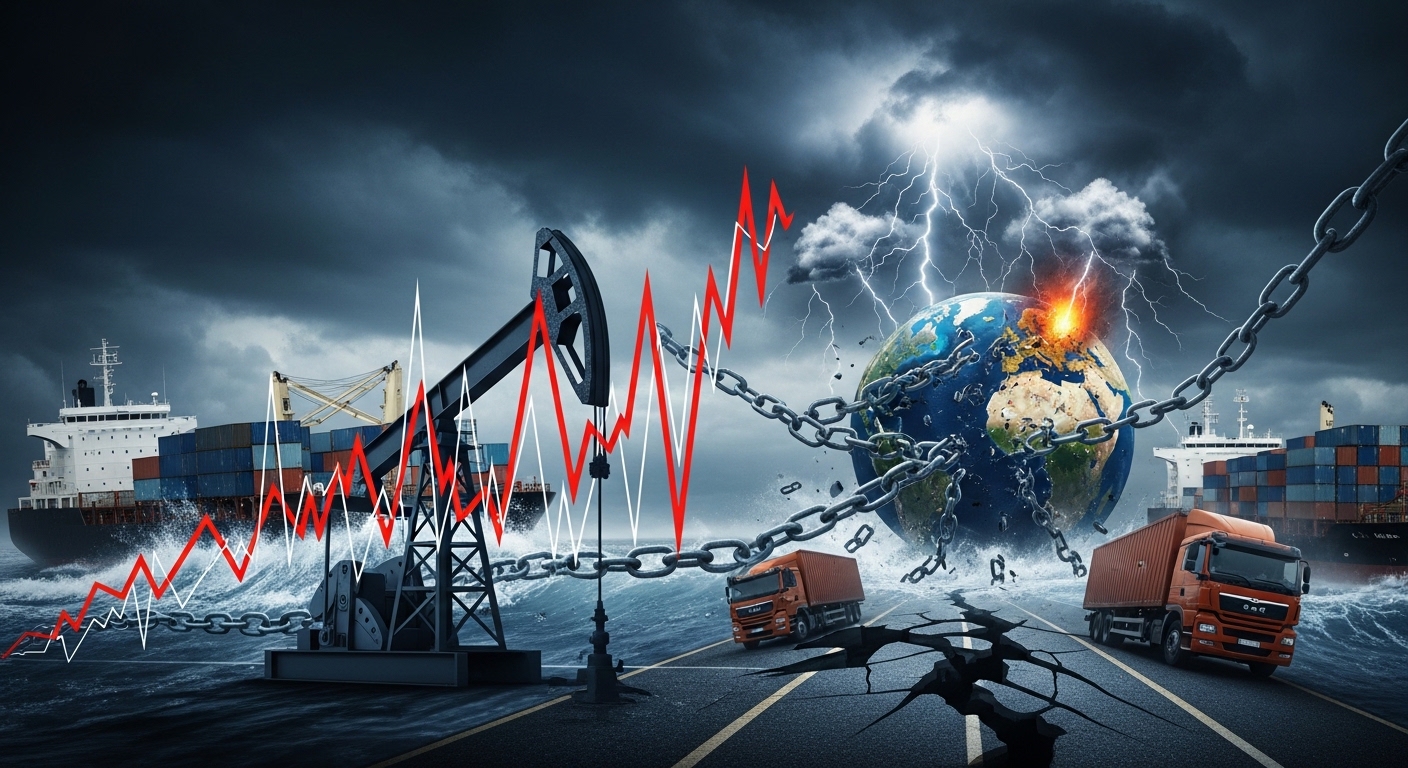
Global energy markets are experiencing renewed volatility as geopolitical tensions disrupt supply chains, alter production expectations, and increase uncertainty across oil and gas flows. These fluctuations are affecting transportation costs, inflation trends, and investor sentiment worldwide, as nations and energy companies adjust to rapidly changing conditions in an already fragile global supply environment.
Global Energy Market Volatility
Price Instability Rises
Energy prices are experiencing sharp instability as geopolitical tensions create uncertainty around supply availability and future production levels. Traders react quickly to breaking news, causing rapid price swings across oil and gas benchmarks while markets struggle to find stable direction amid ongoing global disruptions today.
Oil Benchmark Fluctuations
Major oil benchmarks are fluctuating as supply concerns and geopolitical risks influence trading sentiment. Sudden disruptions in key producing regions or transport routes lead to immediate price adjustments, reflecting heightened sensitivity in global energy markets and increasing uncertainty for investors and policymakers worldwide.
Natural Gas Market Pressure
Natural gas markets are under pressure as supply chain disruptions affect distribution networks and storage capacity. Seasonal demand combined with geopolitical constraints leads to uneven pricing patterns, forcing importing countries to secure alternative sources while managing rising energy security concerns across global regions today.
Energy Futures Trading Volatility
Energy futures markets are experiencing increased volatility as traders speculate on future supply conditions. Contracts for oil, gas, and refined products show rapid price movements, driven by geopolitical developments, production forecasts, and shifting demand expectations in global financial and commodity markets.
Investor Sentiment Shifts
Investor sentiment in energy markets is shifting rapidly as uncertainty increases. Institutional investors are adjusting portfolios to manage risk exposure, moving between energy assets and safer investments while reacting to geopolitical developments that influence global supply chains and pricing stability.
Geopolitical Supply Chain Disruptions
Conflict Zone Production Risks
Geopolitical conflicts in key energy-producing regions are increasing risks to production facilities and infrastructure. Disruptions or threats to oil fields, refineries, and pipelines create immediate supply concerns, forcing global markets to price in higher risk premiums and potential shortages.
Shipping Route Instability
Shipping routes critical to global energy transport are becoming unstable due to geopolitical tensions. Maritime chokepoints and contested waters increase transit risks, leading to higher insurance costs, rerouting of tankers, and delays in energy deliveries across international markets worldwide.
Export Restrictions Impact
Export restrictions imposed by certain countries are reducing global energy availability. These policy decisions tighten supply chains and force importing nations to seek alternative suppliers, increasing competition for limited resources and contributing to higher global energy price volatility.
Sanctions and Trade Barriers
Sanctions and trade barriers are significantly affecting global energy flows by limiting access to key markets and suppliers. These restrictions disrupt established trade relationships, forcing realignment of supply chains and increasing operational costs for energy companies and importing economies.
Infrastructure Security Threats
Energy infrastructure is facing increased security threats due to geopolitical instability. Pipelines, storage facilities, and refineries are more vulnerable to disruption, leading to heightened insurance costs, operational risks, and concerns over long-term energy supply reliability.
Supply Chain Imbalance Effects
Production Bottlenecks Increase
Production bottlenecks are emerging as supply chain disruptions limit the smooth flow of energy resources. Maintenance delays, logistics challenges, and restricted access to materials reduce output efficiency and contribute to tighter global energy supply conditions.
Refining Capacity Constraints
Refining capacity constraints are affecting the conversion of crude oil into usable fuels. Limited processing capacity in key regions creates imbalances between supply and demand, leading to price distortions in refined energy products across global markets.
Transportation Cost Surge
Transportation costs are rising sharply due to higher fuel prices and disrupted logistics networks. Energy companies face increased shipping expenses, which are passed on through higher consumer prices and contribute to inflationary pressure in global economies.
Storage Limitations Pressure
Energy storage limitations are becoming a critical issue as inventories fluctuate due to supply chain instability. Limited storage capacity leads to pricing volatility and logistical challenges, especially when production exceeds immediate consumption or distribution capabilities.
Distribution Network Strain
Distribution networks are under strain as energy flows become less predictable. Infrastructure limitations and geopolitical disruptions make it difficult to ensure consistent delivery, increasing the risk of regional shortages and uneven market pricing.
Economic and Inflation Impact
Inflationary Pressure Rises
Rising energy prices are fueling inflation across global economies as transportation, manufacturing, and household costs increase. Central banks face additional challenges in controlling inflation while maintaining economic growth in uncertain geopolitical conditions.
Consumer Energy Costs Increase
Consumers are experiencing higher energy costs due to volatile global pricing. Electricity, fuel, and heating expenses rise, reducing disposable income and impacting overall economic demand in both developed and emerging markets.
Industrial Production Costs Rise
Industrial sectors face higher production costs as energy becomes more expensive. Manufacturing, logistics, and heavy industries are particularly affected, leading to reduced output or increased pricing for goods and services worldwide.
Currency Market Reactions
Currency markets respond to energy price volatility as import-dependent countries face increased trade deficits. Energy-exporting nations may benefit from stronger revenues, while importers experience financial pressure and potential currency depreciation.
Monetary Policy Challenges
Central banks face increased pressure to balance inflation control with economic growth as energy prices fluctuate. Interest rate decisions become more complex due to external shocks driven by geopolitical instability in energy markets.
Investor Behavior and Market Response
Risk Aversion Increases
Investor risk aversion is rising as energy market volatility increases uncertainty in global financial systems. Capital shifts toward safer assets, reducing exposure to energy-linked equities and commodities during periods of instability.
Commodity Market Repricing
Commodity markets are rapidly repricing energy assets in response to geopolitical developments. Traders adjust expectations for supply and demand, resulting in sharp price movements across oil, gas, and related derivatives.
Portfolio Diversification Trends
Investors are diversifying portfolios to reduce exposure to energy volatility. Allocation shifts toward stable sectors and alternative assets reflect a broader strategy to manage geopolitical risk and market uncertainty.
Institutional Hedging Strategies
Institutional investors are increasing hedging strategies to manage energy price risks. Futures contracts, options, and derivatives are widely used to protect portfolios against sudden price swings in global energy markets.
Speculative Trading Activity
Speculative trading is increasing volatility in energy markets as traders react quickly to geopolitical news. Short-term positioning amplifies price movements, making markets more sensitive to external shocks and policy announcements.
Renewable Energy Transition Influence
Clean Energy Investment Growth
Investment in renewable energy is increasing as countries seek alternatives to volatile fossil fuel markets. Solar, wind, and green technologies are attracting capital as long-term energy security strategies evolve.
Fossil Fuel Demand Shifts
Demand for fossil fuels is experiencing structural shifts due to energy transition policies. While still dominant, oil and gas consumption patterns are gradually influenced by sustainability goals and technological advancements.
Energy Diversification Strategies
Countries are adopting energy diversification strategies to reduce dependence on unstable supply chains. A mix of renewable and traditional energy sources is being used to improve resilience and stability.
Infrastructure Transition Costs
Transitioning to renewable energy requires significant infrastructure investment, including grids, storage systems, and production facilities. These costs influence long-term energy pricing and policy planning across global economies.
Policy-Driven Market Change
Government policies promoting clean energy are reshaping global energy markets. Incentives, regulations, and emissions targets are accelerating the transition away from fossil fuels, influencing long-term supply and demand dynamics.
Future Outlook for Energy Markets
Continued Price Volatility
Energy markets are expected to remain volatile as geopolitical tensions persist and supply chains remain vulnerable. Short-term price swings will likely continue reflecting ongoing uncertainty.
Supply Chain Restructuring
Global energy supply chains are undergoing restructuring to improve resilience. Countries and companies are diversifying suppliers and routes to reduce dependency on high-risk regions.
Technological Market Influence
Technology is playing a growing role in energy markets through improved forecasting, trading systems, and efficiency improvements in production and distribution.
Strategic Reserve Importance
Strategic energy reserves are becoming increasingly important for stabilizing markets during disruptions. Governments are expanding storage capacity to mitigate future supply shocks.
Long-Term Market Stabilization
Long-term stabilization will depend on geopolitical resolution, supply diversification, and energy transition progress, which together will shape future global energy market behavior.
Why are energy prices fluctuating?
Because geopolitical tensions disrupt supply chains and create uncertainty in global production and transport.
How do supply chain issues affect energy markets?
They cause delays, shortages, and higher transportation costs, leading to price volatility.
Which energy sources are most affected?
Oil and natural gas are most impacted due to global dependency and trade routes.
Can renewable energy reduce volatility?
Yes, diversification into renewables can reduce long-term reliance on unstable fossil fuel markets.
Will energy prices stabilize soon?
Stability depends on geopolitical conditions, supply recovery, and policy responses.
Conclusion
Energy prices remain highly volatile as geopolitical tensions continue disrupting global supply chains and production networks. Inflation pressures, investor uncertainty, and logistical constraints further amplify market instability. While renewable energy expansion and strategic reserves may improve resilience, short-term fluctuations are likely to persist, keeping global energy markets sensitive and unpredictable across international economies worldwide.
