
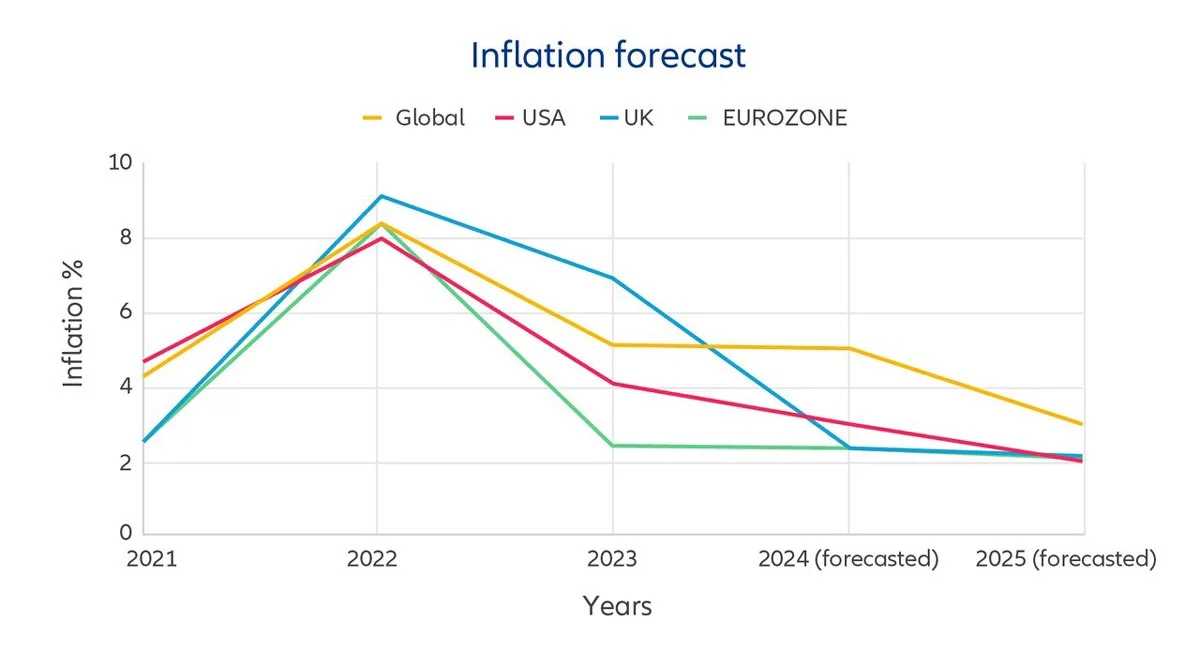
Inflation has become one of the most influential economic forces affecting businesses around the world. As the cost of goods, services, labor, and raw materials continues to rise, companies across industries are being forced to rethink their strategies, adjust their budgets, and make critical operational decisions.
While inflation is a normal part of economic cycles, prolonged periods of elevated inflation can create significant challenges for businesses of all sizes. From multinational corporations to small local enterprises, organizations must find ways to protect profitability while continuing to serve customers and remain competitive.
The impact of inflation extends far beyond pricing. It affects hiring decisions, investment plans, supply chain management, technology adoption, and long-term growth strategies. Business leaders are increasingly focused on efficiency, innovation, and risk management as they navigate an uncertain economic environment.
This article explores how rising inflation is reshaping business decisions worldwide, the strategies companies are adopting, and what the future may hold for global markets.
Understanding Inflation and Its Business Impact
Inflation refers to the general increase in prices over time, which reduces the purchasing power of money.
When inflation rises, businesses often face higher costs for:
- Raw materials
- Transportation
- Energy
- Labor
- Equipment
- Rent and operational expenses
At the same time, consumers may reduce spending as their own budgets become strained.
This combination creates challenges that require careful planning and strategic decision-making.
Rising Costs Force Businesses to Adjust Pricing
One of the most immediate effects of inflation is increased operating costs.
Why Costs Are Rising
Businesses worldwide are paying more for:
- Manufacturing materials
- Shipping and logistics
- Employee wages
- Utility services
- Technology infrastructure
To maintain profitability, many companies are increasing prices.
Pricing Challenges
However, raising prices is not always simple.
Businesses must balance:
- Profit margins
- Customer retention
- Market competition
- Consumer demand
Companies that increase prices too aggressively risk losing customers to competitors.
As a result, many organizations carefully evaluate pricing strategies before making adjustments.
Inflation Is Changing Hiring Decisions
Labor costs represent one of the largest expenses for many organizations.
As inflation rises, employees often seek higher wages to offset increased living expenses.
Workforce Challenges
Companies face pressure to:
- Increase salaries
- Improve benefits
- Offer retention incentives
- Maintain employee satisfaction
Business Responses
Many organizations are:
- Automating routine tasks
- Investing in employee training
- Adopting flexible work arrangements
- Improving productivity through technology
Balancing workforce needs with financial realities has become a major priority for business leaders.
Businesses Are Focusing More on Efficiency
In an inflationary environment, operational efficiency becomes increasingly important.
Companies are seeking ways to accomplish more with fewer resources.
Common Efficiency Strategies
- Process automation
- Supply chain optimization
- Energy conservation
- Inventory management improvements
- Digital transformation initiatives
Organizations that improve efficiency often gain a competitive advantage while reducing the impact of rising costs.
Efficiency is becoming a central component of modern business strategy.
Supply Chain Management Takes Center Stage
Supply chain disruptions and inflation often go hand in hand.
Higher transportation costs, material shortages, and geopolitical uncertainty can further increase expenses.
Key Supply Chain Challenges
- Rising freight costs
- Supplier price increases
- Inventory shortages
- Delivery delays
How Companies Are Adapting
Businesses are increasingly:
- Diversifying suppliers
- Nearshoring production
- Building inventory reserves
- Investing in supply chain technology
These strategies help improve resilience and reduce dependence on single sources.
Technology Investments Remain a Priority
Despite cost pressures, many companies continue investing in technology.
In fact, inflation often accelerates digital transformation efforts.
Technologies Driving Change
- Artificial intelligence
- Automation software
- Cloud computing
- Data analytics
- Cybersecurity solutions
Why Businesses Invest
Technology can help organizations:
- Reduce labor costs
- Improve efficiency
- Enhance customer experiences
- Increase productivity
Many executives view technology investments as essential for long-term competitiveness.
Consumer Behavior Is Evolving
Inflation directly affects consumer purchasing decisions.
As prices rise, customers often become more selective about spending.
Emerging Consumer Trends
- Greater price sensitivity
- Increased comparison shopping
- Preference for value-oriented products
- Reduced discretionary spending
Business Implications
Companies must understand changing consumer preferences to remain competitive.
Successful businesses often adapt by:
- Offering promotions
- Expanding product options
- Enhancing customer value propositions
Consumer behavior remains a key factor influencing business strategy.
Small Businesses Face Unique Challenges
Small businesses are often more vulnerable to inflation than larger corporations.
Common Difficulties
- Limited pricing flexibility
- Smaller financial reserves
- Higher borrowing costs
- Reduced negotiating power with suppliers
Strategies for Survival
Many small businesses are:
- Streamlining operations
- Improving customer relationships
- Adopting digital tools
- Exploring new revenue streams
Adaptability and innovation are critical for long-term success.
Large Corporations Rethink Expansion Plans
Inflation can influence major investment and expansion decisions.
Areas Being Reevaluated
- New market entry
- Facility construction
- Capital expenditures
- Workforce expansion
Businesses often become more cautious during periods of economic uncertainty.
Strategic Planning
Executives increasingly focus on:
- Risk assessment
- Financial flexibility
- Long-term sustainability
Careful planning helps organizations navigate changing economic conditions.
Inflation Influences Investment Decisions
Corporate investment strategies often shift when inflation rises.
Investor Considerations
Businesses evaluate:
- Expected returns
- Financing costs
- Market demand
- Economic outlook
Projects with strong efficiency benefits or revenue potential are often prioritized.
Capital Allocation
Organizations increasingly direct resources toward initiatives that support resilience and productivity.
Investment decisions become more selective during inflationary periods.
Interest Rates Add Additional Pressure
Central banks often raise interest rates to combat inflation.
Impact of Higher Rates
Increased borrowing costs affect:
- Business loans
- Real estate investments
- Equipment purchases
- Expansion projects
Business Response
Companies may:
- Delay major expenditures
- Reduce debt levels
- Focus on cash flow management
Interest rate policies significantly influence corporate decision-making.
Sustainability Initiatives Continue Despite Inflation
Many businesses remain committed to sustainability goals even during periods of rising costs.
Why Sustainability Matters
Environmental initiatives can:
- Reduce energy expenses
- Improve efficiency
- Enhance brand reputation
- Attract investors
Long-Term Benefits
Companies increasingly view sustainability as both a cost-management strategy and a growth opportunity.
Energy-efficient technologies often generate long-term savings.
Global Trade Faces New Challenges
Inflation affects international trade by increasing costs throughout global supply chains.
Trade-Related Impacts
- Higher shipping expenses
- Currency fluctuations
- Commodity price volatility
- Import and export cost increases
Business Adaptation
Organizations are diversifying markets and suppliers to reduce exposure to disruptions.
Global trade strategies continue evolving in response to economic conditions.
Emerging Markets Experience Mixed Effects
Inflation impacts emerging economies differently than developed markets.
Potential Opportunities
Some emerging markets benefit from:
- Commodity exports
- Infrastructure investment
- Growing consumer populations
Potential Challenges
Others face:
- Currency instability
- Higher import costs
- Reduced purchasing power
Businesses operating internationally must carefully evaluate regional conditions.
Expert Outlook for Businesses
Many economists believe inflation will remain an important consideration for business leaders in the coming years.
Key Areas of Focus
- Cost management
- Technology adoption
- Workforce productivity
- Supply chain resilience
- Financial flexibility
Companies that successfully adapt to inflationary pressures may emerge stronger and more competitive.
Innovation and strategic planning will remain essential.
What Businesses Can Learn From Inflation
Periods of inflation often reveal organizational strengths and weaknesses.
Important Lessons
- Flexibility is critical
- Efficiency drives profitability
- Technology creates advantages
- Strong customer relationships matter
- Diversification reduces risk
Businesses that embrace change are often better positioned to succeed in challenging environments.
Conclusion
Rising inflation is changing business decisions worldwide in profound ways. From pricing strategies and workforce planning to technology investments and supply chain management, companies are adapting to a more complex economic landscape.
While inflation creates challenges, it also encourages innovation, efficiency, and strategic thinking. Organizations that focus on resilience, productivity, and customer value are often better equipped to navigate uncertainty and maintain long-term growth.
As economic conditions continue evolving, business leaders must remain agile, informed, and proactive. The ability to adapt quickly may determine which companies thrive in the years ahead.
FAQs
1. What is inflation?
Inflation is the general increase in prices over time, reducing the purchasing power of money.
2. How does inflation affect businesses?
Inflation increases operating costs, influences pricing decisions, and impacts consumer demand.
3. Why are companies raising prices?
Businesses often raise prices to offset higher costs for labor, materials, transportation, and operations.
4. How does inflation affect hiring?
Companies may face higher wage demands and adjust workforce strategies to manage labor expenses.
5. Why are businesses investing in technology during inflation?
Technology helps improve efficiency, reduce costs, and increase productivity.
6. How does inflation impact consumer behavior?
Consumers often become more price-sensitive and may reduce discretionary spending.
7. What role do interest rates play?
Higher interest rates increase borrowing costs and can affect business investment decisions.
8. How can businesses succeed during inflation?
Companies can succeed by improving efficiency, managing costs, adopting technology, and maintaining strong customer relationships.https://chatgpt.com/backend-api/sentinel/frame.html?sv=20260423af3cAsk for changes
CtrlKTextAsk for changes
CtrlKHeading 2Ask for changes
CtrlKText
