
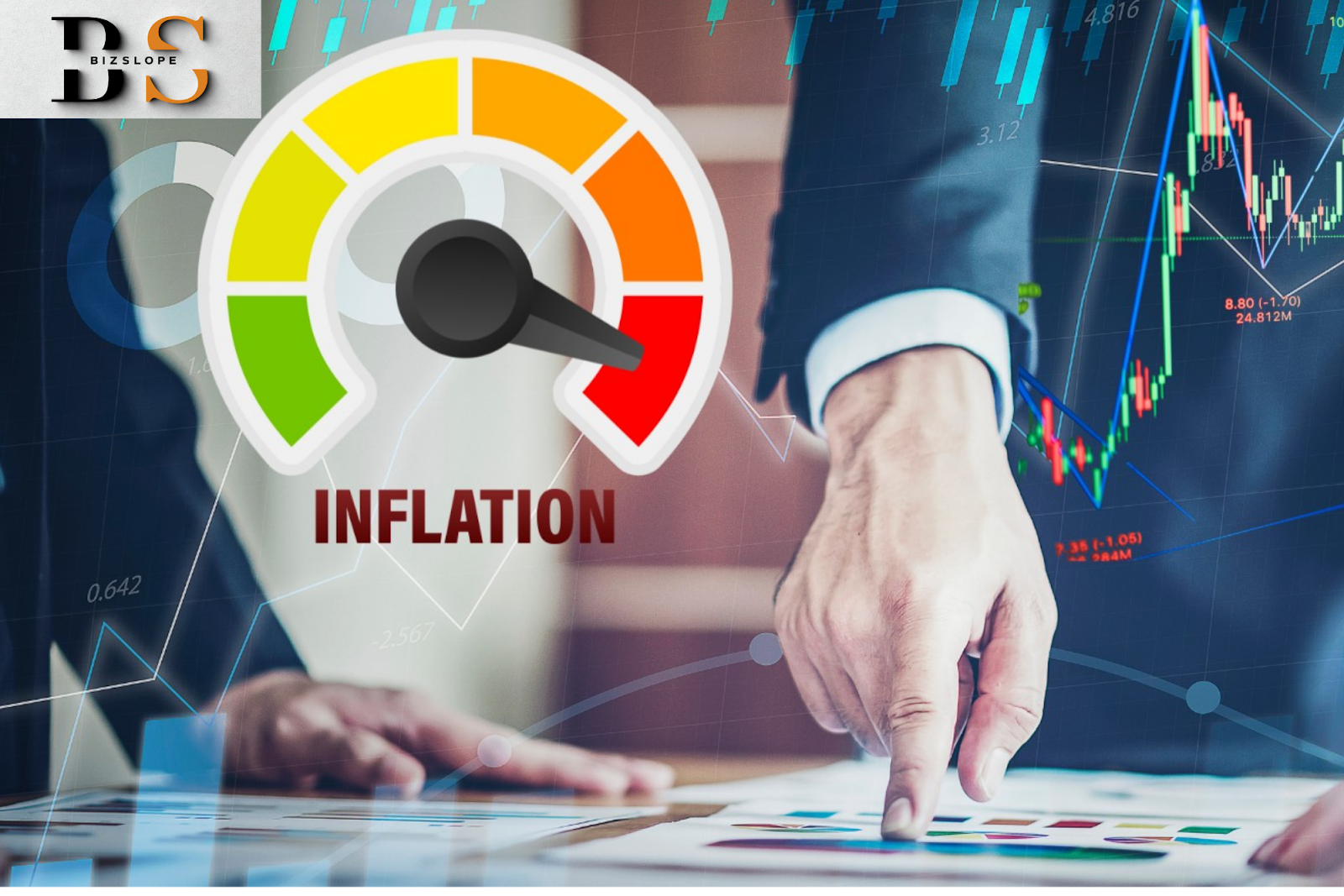
Inflation has become one of the most powerful economic forces shaping global business decisions in recent years. As prices rise across energy, food, labor, transportation, and raw materials, companies worldwide are being forced to rethink how they operate, invest, hire, and grow.
For business leaders, inflation is no longer a temporary economic challenge—it has become a strategic factor influencing nearly every corporate decision. From multinational corporations to small enterprises, organizations are adjusting pricing strategies, supply chains, investment plans, and workforce policies to survive and remain competitive.
In 2026, rising inflation continues to reshape industries, redefine consumer behavior, and influence investor expectations. Understanding how inflation impacts business strategy is essential for entrepreneurs, executives, and investors navigating today’s complex global economy.
Understanding Inflation and Its Global Impact
Inflation refers to the sustained increase in the general price level of goods and services over time. While moderate inflation often signals economic growth, prolonged or high inflation creates uncertainty.
Key drivers of global inflation include:
- Supply chain disruptions
- Rising energy prices
- Labor shortages
- Geopolitical tensions
- Increased government spending
- Currency fluctuations
Businesses across continents now operate in an environment where costs change rapidly, forcing constant strategic adaptation.
Pricing Strategies Are Rapidly Evolving
One of the most immediate impacts of inflation is on pricing decisions.
Passing Costs to Consumers
Companies facing higher input costs must decide whether to:
- Increase product prices
- Reduce profit margins
- Modify product sizes or features
- Improve operational efficiency
Many businesses adopt gradual price adjustments rather than sudden increases to avoid losing customers.
Value-Based Pricing Models
Instead of competing solely on low prices, companies increasingly focus on delivering perceived value. Premium branding, improved customer experience, and service differentiation help justify higher prices.
Businesses that successfully communicate value often retain customer loyalty despite inflationary pressures.
Supply Chain Transformation
Inflation has exposed vulnerabilities in global supply chains, prompting businesses to rethink sourcing and logistics strategies.
Shift Toward Regional Supply Chains
Companies are reducing dependence on distant suppliers by:
- Nearshoring manufacturing
- Diversifying supplier networks
- Building regional production hubs
These changes help reduce transportation costs and minimize disruptions caused by global economic shocks.
Inventory Management Changes
Businesses now maintain more strategic inventory levels to avoid shortages caused by price volatility or shipping delays.
Supply chain resilience has become as important as cost efficiency.
Labor Costs and Workforce Decisions
Rising inflation directly impacts wages and employment policies.
Wage Pressure
Employees demand higher salaries to maintain purchasing power. Companies face increasing payroll expenses while trying to remain profitable.
Common business responses include:
- Performance-based compensation
- Automation investments
- Flexible work arrangements
- Upskilling existing employees instead of hiring new staff
The global labor market is shifting toward efficiency and productivity-focused workforce strategies.
Automation and Technology Adoption Accelerate
Inflation often pushes companies toward technological solutions.
Why Technology Becomes Attractive
Automation helps businesses:
- Reduce labor costs
- Improve operational efficiency
- Maintain consistent production levels
- Limit exposure to wage inflation
Artificial intelligence, robotics, and digital platforms are increasingly viewed as long-term cost-control tools.
Digital transformation initiatives that once took years are now being accelerated due to inflation pressures.
Changes in Consumer Behavior
Inflation does not only affect businesses—it also reshapes customer decision-making.
Consumers Become More Price-Sensitive
Shoppers worldwide are:
- Comparing prices more frequently
- Switching brands for affordability
- Delaying large purchases
- Prioritizing essential spending
Businesses must adapt marketing strategies to emphasize affordability, durability, and value.
Rise of Subscription and Loyalty Models
Companies increasingly introduce subscription services and loyalty programs to secure predictable revenue streams and retain customers during uncertain economic periods.
Investment Strategies Under Inflation
Inflation significantly alters corporate investment decisions.
Delayed Expansion Plans
Some companies postpone expansion projects due to:
- Higher borrowing costs
- Economic uncertainty
- Unpredictable demand
Capital preservation becomes a priority during inflationary cycles.
Strategic Investments Continue
At the same time, forward-looking businesses continue investing in:
- Technology infrastructure
- Energy efficiency
- Innovation research
- Digital platforms
Companies that invest strategically during inflation often emerge stronger once economic conditions stabilize.
Interest Rates and Financing Challenges
Central banks typically raise interest rates to control inflation, which increases borrowing costs for businesses.
Impact on Corporate Financing
Higher interest rates lead to:
- More expensive loans
- Reduced startup funding
- Slower real estate investment
- Increased focus on cash flow management
Businesses now prioritize financial discipline, liquidity, and debt reduction.
Small Businesses Face Unique Pressures
While large corporations may absorb inflationary shocks, small and medium-sized enterprises (SMEs) face greater challenges.
Common difficulties include:
- Limited pricing power
- Higher supplier costs
- Reduced consumer spending
- Restricted access to financing
However, smaller companies often respond faster by adjusting operations, adopting digital tools, and focusing on niche markets.
Agility becomes a key survival advantage.
Global Trade and Currency Fluctuations
Inflation influences exchange rates and international trade dynamics.
Companies engaged in global trade must manage:
- Currency volatility
- Import and export price shifts
- Changing demand across regions
Some businesses hedge currency risks or localize production to minimize exposure.
International trade strategies are becoming more complex and data-driven.
Sustainability and Energy Efficiency Gain Importance
Rising energy costs linked to inflation are accelerating sustainability initiatives.
Businesses invest in:
- Renewable energy adoption
- Energy-efficient manufacturing
- Waste reduction programs
- Sustainable supply chains
These initiatives not only lower operating costs but also strengthen brand reputation among environmentally conscious consumers and investors.
Sustainability is increasingly viewed as both an ethical responsibility and a financial strategy.
Corporate Strategy Becomes More Flexible
Inflation has taught businesses the importance of adaptability.
Modern corporate strategy emphasizes:
- Scenario planning
- Real-time data analysis
- Agile decision-making
- Diversified revenue streams
Companies are shifting from rigid long-term plans toward flexible strategies capable of responding quickly to economic changes.
Investor Perspective on Inflation
nvestors closely monitor how companies handle inflation.
Businesses that demonstrate:
- Strong pricing power
- Efficient operations
- Innovative products
- Stable cash flows
tend to attract investor confidence even during inflationary periods.
Industries often favored during inflation include energy, commodities, technology infrastructure, and essential consumer goods.
Opportunities Created by Inflation
While inflation creates challenges, it also opens new opportunities.
Innovation Opportunities
Businesses develop cost-saving technologies and more efficient business models.
Market Entry Opportunities
New competitors emerge offering affordable alternatives or innovative services.
Efficiency Improvements
Organizations streamline operations and eliminate inefficiencies uncovered by rising costs.
Inflation often acts as a catalyst for long-term business transformation.
Risks Businesses Must Manage
Despite opportunities, companies must carefully manage inflation-related risks:
- Profit margin compression
- Reduced consumer demand
- Financing constraints
- Supply instability
- Economic slowdown risks
Companies with strong leadership and strategic planning are better positioned to navigate these challenges.
The Future Outlook
Economists expect inflation to remain an important factor shaping business strategy in the coming years. Rather than waiting for inflation to disappear, companies are learning to operate effectively within higher-cost environments.
Future business leaders will likely focus on:
- Digital transformation
- Cost efficiency
- Innovation-driven growth
- Sustainable operations
- Global diversification
Inflation is no longer just an economic statistic—it has become a defining force guiding global business decisions.
Conclusion
Rising inflation is transforming how businesses operate worldwide. From pricing strategies and workforce management to supply chains and investment planning, companies must adapt continuously to changing economic conditions.
Organizations that embrace innovation, improve efficiency, and remain strategically flexible will not only survive inflationary pressures but may also gain competitive advantages.
For investors, entrepreneurs, and executives, understanding inflation’s impact is essential for making informed decisions in today’s evolving global economy. Inflation may create uncertainty, but it also drives innovation, resilience, and long-term transformation across industries.
FAQs
Why does inflation affect business decisions?
Inflation increases operating costs, forcing companies to adjust pricing, investments, hiring, and long-term strategies.
How do businesses respond to rising inflation?
Businesses raise prices, improve efficiency, automate operations, diversify suppliers, and focus on cost management.
Does inflation always hurt companies?
Not necessarily. Some industries benefit from inflation, especially those with strong pricing power or essential products.
How does inflation influence consumers?
Consumers reduce discretionary spending, compare prices more carefully, and prioritize essential purchases.
Why are interest rates important during inflation?
Higher interest rates increase borrowing costs, affecting business expansion, investment, and financing decisions.
Which sectors perform well during inflation?
Energy, commodities, technology infrastructure, and essential consumer goods sectors often perform relatively well.
How can small businesses survive inflation?
Small businesses can focus on niche markets, adopt digital tools, manage costs carefully, and maintain strong customer relationships.
Will inflation continue shaping global business strategies?
Yes. Inflation is expected to remain a major economic factor influencing corporate planning and market trends in coming years.
