

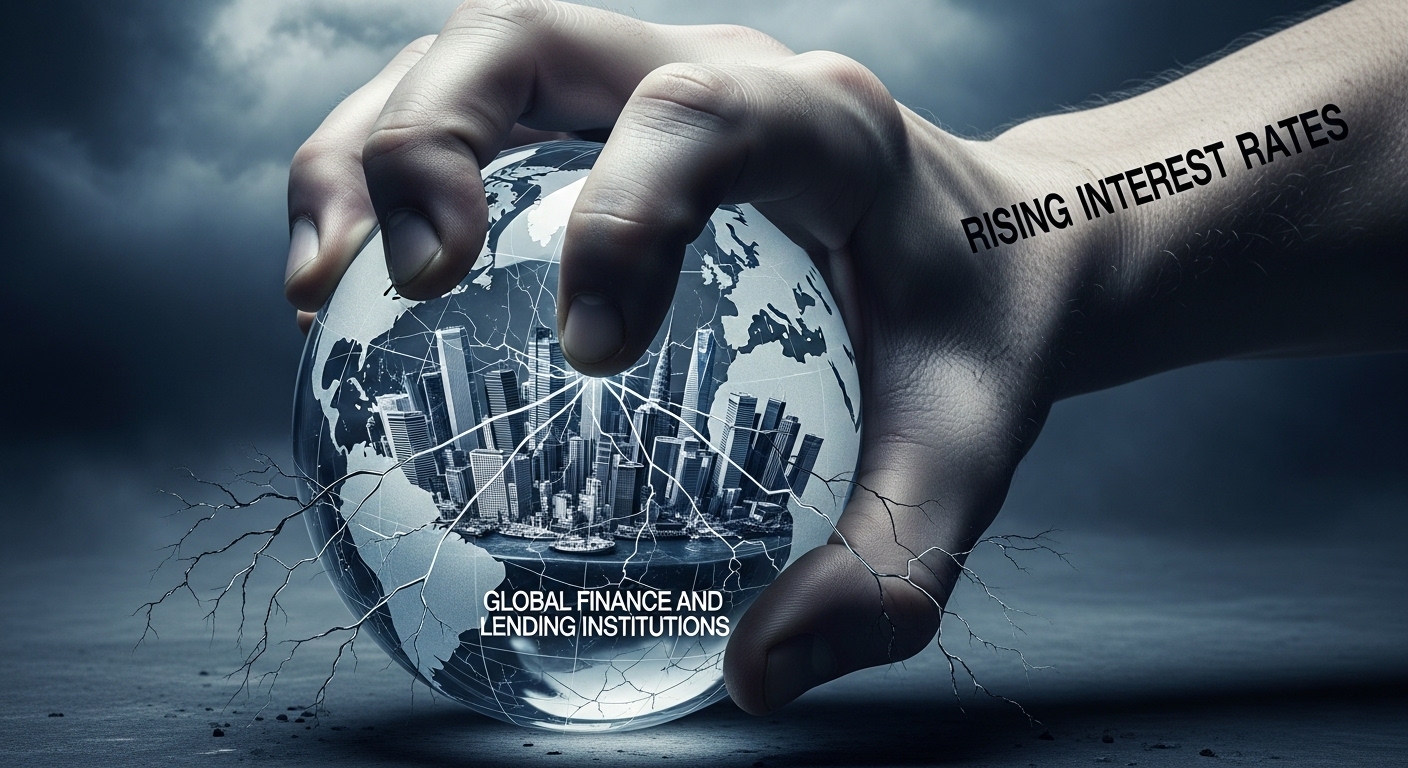
Rising interest rates are reshaping the global financial landscape, placing significant pressure on banks, lending institutions, borrowers, and investment markets. As central banks tighten monetary policy to control inflation, the cost of borrowing increases, liquidity tightens, and financial risk exposure rises across both developed and emerging economies worldwide.
Global Monetary Tightening Impact
Central Bank Policy Shifts
Central banks across major economies are raising interest rates to control inflation and stabilize currency values. These policy shifts directly influence borrowing costs, reduce market liquidity, and force financial institutions to reassess lending strategies in response to changing economic conditions and tightening monetary environments globally today.
Inflation Control Measures
Interest rate hikes are primarily used as tools to reduce inflation by slowing consumer spending and business investment. While effective in cooling price pressures, these measures also create challenges for economic growth, increasing financial stress on households and corporations dependent on affordable credit access worldwide.
Liquidity Reduction in Markets
Higher interest rates reduce liquidity in financial markets as borrowing becomes more expensive and investors become more cautious. Banks tighten credit availability, leading to slower capital movement across sectors and reduced funding for business expansion and infrastructure development in global economies under pressure.
Currency Strength Adjustments
Rising interest rates often strengthen domestic currencies as higher yields attract foreign investment. However, this creates challenges for export-driven economies, making goods more expensive internationally and affecting trade competitiveness while reshaping global capital flows and foreign exchange market dynamics significantly worldwide.
Global Economic Rebalancing
Monetary tightening leads to global economic rebalancing as capital shifts toward higher-yielding economies. Emerging markets often face capital outflows, while developed economies attract investment, creating disparities in financial stability and growth potential across regions during periods of synchronized global interest rate increases.
Banking Sector Pressure Intensifies
Loan Demand Decline
Higher interest rates reduce loan demand as borrowing becomes more expensive for individuals and businesses. Mortgage applications, business expansion loans, and consumer credit decline, leading to slower revenue growth for banks and financial institutions operating in tightened lending environments globally.
Credit Risk Increase
Banks face increased credit risk as borrowers struggle with higher repayment costs. Rising defaults and delayed payments become more common, forcing financial institutions to strengthen risk management frameworks and increase provisions for potential loan losses during periods of sustained high interest rates.
Profit Margin Compression
Although higher rates can increase lending income, banks often experience profit margin compression due to reduced loan volumes and increased funding costs. This imbalance affects overall profitability, especially when economic growth slows and credit demand weakens across financial systems worldwide.
Investment Portfolio Stress
Financial institutions holding bonds and long-term assets face valuation losses when interest rates rise. Fixed-income securities lose market value, creating balance sheet stress and forcing banks to adjust investment strategies to manage interest rate risk exposure more effectively in volatile markets.
Interbank Lending Tightening
Interbank lending conditions become tighter as institutions become more cautious about liquidity exposure. Higher borrowing costs between banks reduce short-term funding availability, increasing systemic pressure and forcing central banks to monitor financial stability risks more closely across global banking systems.
Corporate Borrowing Challenges
Higher Capital Costs
Companies face significantly higher capital costs as interest rates rise, making expansion projects and operational financing more expensive. Businesses delay investments and reduce borrowing activity, leading to slower economic growth and reduced corporate profitability across multiple industries worldwide.
Debt Servicing Pressure
Existing corporate debt becomes more expensive to service, especially for highly leveraged companies. Rising interest payments reduce cash flow flexibility, forcing firms to cut costs, restructure debt, or delay strategic investments in order to maintain financial stability under tightening conditions.
Reduced Business Expansion
Higher borrowing costs discourage business expansion and new project development. Companies adopt conservative financial strategies, focusing on efficiency and cost control rather than aggressive growth, which slows innovation and reduces job creation across global markets facing monetary tightening.
Credit Rating Adjustments
Credit rating agencies may downgrade companies with high debt exposure due to increased repayment risk. These downgrades raise borrowing costs further, creating a cycle of financial pressure that affects corporate stability and investor confidence in global markets.
Small Business Vulnerability
Small and medium-sized enterprises are particularly vulnerable to rising interest rates due to limited access to capital. Higher loan costs and stricter lending conditions make it difficult for smaller firms to sustain operations and compete in challenging economic environments.
Housing and Mortgage Market Pressure
Mortgage Rate Increase
Mortgage rates rise sharply in response to higher central bank interest rates, making homeownership less affordable. Buyers face increased monthly payments, reducing demand in housing markets and slowing property price growth in many global economies under monetary tightening conditions.
Housing Demand Decline
Higher borrowing costs reduce housing demand as potential buyers delay purchasing decisions. Real estate markets experience slower transaction volumes and declining price momentum, affecting construction activity and related industries dependent on strong housing sector performance worldwide.
Real Estate Investment Slowdown
Real estate investors become more cautious as financing costs rise and rental yields fail to keep pace with borrowing expenses. Investment activity slows, particularly in commercial property markets, where leveraged financing plays a significant role in asset acquisition.
Construction Sector Impact
Construction activity declines as higher financing costs reduce new project viability. Developers delay or cancel projects due to increased capital expenses, leading to reduced employment and slower infrastructure development in economies experiencing sustained interest rate increases.
Rental Market Pressure
Rental markets experience mixed effects as homeownership becomes less affordable, increasing rental demand. However, economic slowdown and reduced income growth limit rent increases, creating pressure on landlords and property investors balancing costs and returns.
Financial Market Reactions
Stock Market Volatility
Stock markets experience increased volatility as investors adjust expectations for corporate earnings under higher interest rates. Growth stocks are particularly affected due to higher discount rates, leading to portfolio reallocations across global equity markets.
Bond Yield Adjustments
Bond yields rise in response to higher interest rates, reducing the value of existing fixed-income securities. Investors demand higher returns, reshaping global bond markets and influencing long-term investment strategies across institutional portfolios worldwide.
Capital Flow Shifts
Global capital flows shift toward safer and higher-yielding assets as investors respond to changing interest rate environments. Emerging markets often face outflows, while developed economies attract more investment due to stronger returns and perceived stability.
Risk Appetite Reduction
Investor risk appetite declines as borrowing costs rise and economic uncertainty increases. Financial markets become more defensive, with increased demand for safe-haven assets such as government bonds and stable currencies during tightening monetary cycles.
Derivatives Market Pressure
Derivatives markets experience heightened complexity as interest rate volatility increases hedging costs. Financial institutions and traders adjust strategies to manage exposure to rate fluctuations, increasing overall market sensitivity to central bank policy decisions.
Emerging Market Vulnerability
Capital Outflow Risks
Emerging markets face significant capital outflows as investors move funds toward higher-yielding developed economies. This creates currency depreciation pressure and reduces liquidity in domestic financial systems, increasing economic instability risks.
Currency Depreciation Pressure
Higher global interest rates strengthen major currencies, weakening emerging market currencies. This increases import costs, fuels inflation, and creates additional financial strain on economies heavily reliant on foreign-denominated debt.
External Debt Burden
Countries with high external debt face increased repayment costs due to stronger foreign currencies and higher global interest rates. Debt servicing becomes more expensive, limiting fiscal flexibility and economic development potential.
Investment Slowdown
Foreign direct investment slows in emerging markets as investors seek safer and more profitable opportunities elsewhere. Reduced capital inflows impact infrastructure development and long-term economic growth prospects in developing regions.
Financial Stability Concerns
Financial stability risks increase in emerging markets as monetary tightening exposes structural weaknesses. Banking systems, currency reserves, and fiscal balances come under pressure, requiring policy intervention to maintain economic stability.
Future Outlook for Global Lending
Interest Rate Cycle Uncertainty
The future path of interest rates remains uncertain as central banks balance inflation control with economic growth risks. Markets anticipate potential pauses or gradual reductions depending on inflation trends and global economic conditions.
Digital Banking Transformation
Financial institutions increasingly adopt digital technologies to improve efficiency and reduce operational costs. Automation, AI-driven lending systems, and fintech integration reshape global banking structures and enhance competitiveness in tightening financial environments.
Regulatory Policy Adjustments
Regulators adjust financial oversight frameworks to manage risks associated with higher interest rates. Increased scrutiny on lending practices and capital requirements aims to ensure banking stability during periods of monetary tightening.
Sustainable Finance Growth
Sustainable finance gains importance as investors prioritize long-term stability over short-term gains. Green lending and ESG-focused investments continue to grow despite higher borrowing costs, reshaping global financial priorities.
Long-Term Stability Strategies
Banks and financial institutions develop long-term strategies to withstand interest rate cycles, focusing on diversification, risk management, and digital innovation to maintain resilience in evolving global financial environments.
How do rising interest rates affect banks?
They reduce loan demand, increase credit risk, and pressure profitability across lending institutions.
Why do central banks raise interest rates?
To control inflation and stabilize economic conditions by reducing excessive spending and borrowing.
How are borrowers affected?
Borrowing becomes more expensive, increasing repayment costs for loans, mortgages, and credit.
Do rising rates affect housing markets?
Yes, they reduce affordability, lower demand, and slow property price growth.
Which economies are most vulnerable?
Emerging markets are most affected due to capital outflows and currency depreciation risks.
Conclusion
Rising interest rates are placing widespread pressure on global finance, affecting banks, borrowers, and investment markets alike. While these policies help control inflation, they also slow growth and tighten liquidity. Financial institutions must adapt through innovation and risk management. Long-term stability depends on balanced monetary strategies and resilient global economic coordination.
