

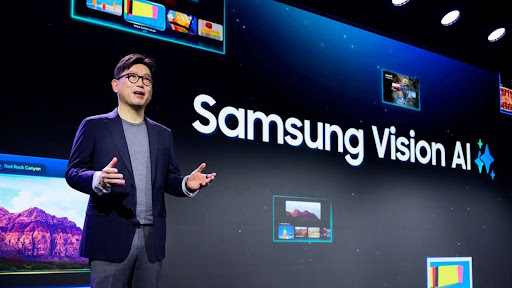
The technology industry continues to evolve at an extraordinary pace, with major companies introducing groundbreaking innovations that are reshaping businesses, industries, and everyday life. From artificial intelligence and cloud computing to advanced semiconductors and next-generation connectivity, technology giants are investing billions of dollars to develop solutions that will define the future.
As global competition intensifies, leading technology firms are racing to launch products and services that improve efficiency, enhance user experiences, and create entirely new markets. These innovations are not only transforming how people interact with technology but also influencing investment trends, economic growth, and business strategies worldwide.
The unveiling of next-generation technologies marks a new era of digital transformation. Organizations across sectors are adopting advanced tools to remain competitive, while consumers benefit from smarter, faster, and more personalized experiences.
This article explores the latest innovations introduced by technology giants, their impact on industries, and what these developments mean for businesses, investors, and consumers.
The Rise of Next-Generation Technology
Technology innovation has become one of the most powerful drivers of global economic growth. Major technology companies continue pushing the boundaries of what is possible through research, development, and strategic investments.
Several key trends are shaping the next generation of technology:
- Artificial Intelligence (AI)
- Cloud Computing
- Quantum Computing
- Advanced Semiconductors
- Cybersecurity Solutions
- Internet of Things (IoT)
- Augmented and Virtual Reality
- Next-Generation Connectivity
Together, these technologies are creating opportunities that were unimaginable just a few years ago.
Artificial Intelligence Takes Center Stage
Artificial intelligence remains at the forefront of innovation.
Technology giants are introducing AI-powered solutions capable of performing complex tasks, analyzing massive datasets, and generating human-like responses.
Key AI Advancements
Generative AI
Generative AI systems can create:
- Text
- Images
- Videos
- Software code
- Business reports
Organizations are using these tools to improve productivity and automate repetitive tasks.
AI-Powered Assistants
Modern digital assistants can:
- Schedule meetings
- Manage workflows
- Analyze data
- Answer customer inquiries
These capabilities help businesses streamline operations and reduce costs.
Predictive Analytics
AI-powered analytics enable companies to forecast trends, identify opportunities, and make more informed decisions.
As AI adoption expands, its influence across industries continues to grow.
Cloud Computing Reaches New Heights
Cloud computing has become the foundation of digital transformation.
Technology leaders are introducing more advanced cloud platforms designed to support businesses of all sizes.
Benefits of Modern Cloud Solutions
- Enhanced scalability
- Greater flexibility
- Lower infrastructure costs
- Improved collaboration
- Faster deployment of applications
Organizations increasingly rely on cloud-based systems to support remote work, digital services, and data-driven decision-making.
Cloud innovation is expected to remain a major growth driver throughout the decade.
Advanced Semiconductors Power Innovation
Semiconductor technology plays a critical role in modern computing.
Technology giants are unveiling next-generation chips that offer:
- Faster processing speeds
- Improved energy efficiency
- Enhanced AI capabilities
- Better graphics performance
Why Semiconductors Matter
Semiconductors power:
- Smartphones
- Computers
- Data centers
- Electric vehicles
- Industrial automation systems
As demand for computing power grows, advanced chip development remains a strategic priority for technology companies.
Quantum Computing Moves Closer to Reality
Quantum computing represents one of the most exciting areas of technological innovation.
Unlike traditional computers, quantum systems can solve highly complex problems at unprecedented speeds.
Potential Applications
- Drug discovery
- Financial modeling
- Climate research
- Logistics optimization
- Cybersecurity
Although still in the early stages, quantum computing is attracting significant investment due to its transformative potential.
Technology giants continue making progress toward practical commercial applications.
Cybersecurity Innovation Becomes Essential
As digital transformation accelerates, cybersecurity has become more important than ever.
Organizations face increasing threats from cybercriminals, making security innovation a top priority.
Emerging Cybersecurity Technologies
AI-Driven Threat Detection
Artificial intelligence helps identify suspicious activities in real time.
Zero Trust Security
This model verifies every user and device before granting access.
Advanced Encryption
Enhanced encryption techniques protect sensitive data from unauthorized access.
Cybersecurity investments continue growing as businesses prioritize digital protection.
Internet of Things Expands Connectivity
The Internet of Things (IoT) connects devices, systems, and infrastructure through the internet.
Technology companies are launching new IoT solutions that improve efficiency and automation.
Examples of IoT Applications
- Smart homes
- Industrial automation
- Connected vehicles
- Smart cities
- Healthcare monitoring
As billions of devices become connected, IoT is expected to generate substantial economic value.
Augmented Reality and Virtual Reality Gain Momentum
Augmented Reality (AR) and Virtual Reality (VR) technologies are advancing rapidly.
Technology giants are investing heavily in immersive digital experiences.
Business Applications
Training and Education
Organizations use VR simulations to train employees in realistic environments.
Retail Experiences
AR allows customers to visualize products before purchasing.
Remote Collaboration
Virtual workspaces improve communication and teamwork across locations.
These technologies are creating new opportunities across multiple industries.
Next-Generation Connectivity Accelerates Innovation
Faster connectivity supports the growing demands of modern technology.
Advancements in communication networks enable:
- Faster data transfer
- Lower latency
- Improved reliability
Impact on Industries
Enhanced connectivity supports:
- Autonomous vehicles
- Smart factories
- Telemedicine
- Real-time analytics
- Cloud computing
Improved network infrastructure is essential for future technological progress.
Healthcare Technology Advances Rapidly
Healthcare is benefiting significantly from next-generation innovation.
Technology companies are introducing solutions that improve patient care and medical outcomes.
Key Innovations
AI Diagnostics
Artificial intelligence assists doctors in identifying diseases more accurately.
Remote Healthcare
Telemedicine platforms provide access to healthcare services regardless of location.
Wearable Devices
Smart devices monitor health metrics in real time.
These technologies improve efficiency while expanding healthcare accessibility.
Sustainability Drives Technological Development
Technology giants are increasingly focused on sustainability.
Environmental concerns are encouraging companies to develop energy-efficient solutions.
Sustainability Initiatives
- Green data centers
- Renewable energy adoption
- Efficient semiconductor design
- Sustainable manufacturing practices
These efforts help reduce environmental impact while supporting long-term business growth.
Business Impact of Next-Generation Innovations
Organizations adopting advanced technologies gain significant advantages.
Key Benefits
Increased Productivity
Automation reduces manual workloads and improves efficiency.
Better Decision-Making
Data-driven insights support strategic planning.
Enhanced Customer Experience
Technology enables more personalized interactions.
Competitive Advantage
Innovation helps businesses stay ahead in rapidly changing markets.
Companies embracing digital transformation are often better positioned for future success.
Investment Opportunities in Emerging Technologies
Investors are paying close attention to next-generation innovations.
Several sectors are attracting significant interest:
- Artificial Intelligence
- Cloud Computing
- Cybersecurity
- Semiconductor Manufacturing
- Quantum Computing
- Digital Infrastructure
These industries are expected to play a major role in future economic growth.
Long-term investors often focus on companies leading technological innovation.
Challenges Facing Technology Giants
Despite significant progress, challenges remain.
Common Challenges
- Regulatory scrutiny
- Data privacy concerns
- Cybersecurity threats
- High research costs
- Global competition
Successfully navigating these issues will be critical for sustained growth and innovation.
The Future of Technology Innovation
The pace of innovation shows no signs of slowing.
Future developments may include:
- More advanced AI systems
- Commercial quantum computing
- Smarter connected devices
- Enhanced virtual experiences
- Sustainable technology solutions
These innovations have the potential to transform industries and create entirely new economic opportunities.
Businesses, governments, and consumers will continue adapting to a rapidly evolving digital landscape.
Conclusion
Technology giants are unveiling next-generation innovations that are transforming the global economy. Advances in artificial intelligence, cloud computing, cybersecurity, semiconductors, quantum computing, and connectivity are creating new possibilities across industries.
These technologies improve efficiency, enhance customer experiences, and support long-term economic growth. Businesses that embrace innovation can gain competitive advantages, while investors may find opportunities in high-growth technology sectors.
As technological progress continues accelerating, next-generation innovations will play a central role in shaping the future of business, finance, healthcare, and society as a whole.
FAQs
1. What are next-generation innovations?
Next-generation innovations are advanced technologies designed to improve efficiency, productivity, and digital experiences across industries.
2. Why is artificial intelligence important?
AI helps automate processes, analyze data, improve decision-making, and create new business opportunities.
3. How does cloud computing support businesses?
Cloud computing provides scalable, flexible, and cost-effective infrastructure for digital operations.
4. What is quantum computing?
Quantum computing uses advanced principles of physics to solve complex problems much faster than traditional computers.
5. Why is cybersecurity becoming more important?
Growing digital adoption increases the need to protect systems, networks, and sensitive data from cyber threats.
6. What industries benefit most from technological innovation?
Healthcare, finance, manufacturing, retail, logistics, and education are among the industries experiencing major benefits.
7. Are emerging technologies good investment opportunities?
Many investors view AI, cybersecurity, cloud computing, and semiconductor technologies as promising long-term growth sectors.
8. What does the future of technology look like?
Future technology trends include advanced AI, quantum computing, immersive digital experiences, and sustainable innovation solutions.The technology industry continues to evolve at an extraordinary pace, with major companies introducing groundbreaking innovations that are reshaping businesses, industries, and everyday life. From artificial intelligence and cloud computing to advanced semiconductors and next-generation connectivity, technology giants are investing billions of dollars to develop solutions that will define the future.
As global competition intensifies, leading technology firms are racing to launch products and services that improve efficiency, enhance user experiences, and create entirely new markets. These innovations are not only transforming how people interact with technology but also influencing investment trends, economic growth, and business strategies worldwide.
The unveiling of next-generation technologies marks a new era of digital transformation. Organizations across sectors are adopting advanced tools to remain competitive, while consumers benefit from smarter, faster, and more personalized experiences.
This article explores the latest innovations introduced by technology giants, their impact on industries, and what these developments mean for businesses, investors, and consumers.
The Rise of Next-Generation Technology
Technology innovation has become one of the most powerful drivers of global economic growth. Major technology companies continue pushing the boundaries of what is possible through research, development, and strategic investments.
Several key trends are shaping the next generation of technology:
- Artificial Intelligence (AI)
- Cloud Computing
- Quantum Computing
- Advanced Semiconductors
- Cybersecurity Solutions
- Internet of Things (IoT)
- Augmented and Virtual Reality
- Next-Generation Connectivity
Together, these technologies are creating opportunities that were unimaginable just a few years ago.
Artificial Intelligence Takes Center Stage
Artificial intelligence remains at the forefront of innovation.
Technology giants are introducing AI-powered solutions capable of performing complex tasks, analyzing massive datasets, and generating human-like responses.
Key AI Advancements
Generative AI
Generative AI systems can create:
- Text
- Images
- Videos
- Software code
- Business reports
Organizations are using these tools to improve productivity and automate repetitive tasks.
AI-Powered Assistants
Modern digital assistants can:
- Schedule meetings
- Manage workflows
- Analyze data
- Answer customer inquiries
These capabilities help businesses streamline operations and reduce costs.
Predictive Analytics
AI-powered analytics enable companies to forecast trends, identify opportunities, and make more informed decisions.
As AI adoption expands, its influence across industries continues to grow.
Cloud Computing Reaches New Heights
Cloud computing has become the foundation of digital transformation.
Technology leaders are introducing more advanced cloud platforms designed to support businesses of all sizes.
Benefits of Modern Cloud Solutions
- Enhanced scalability
- Greater flexibility
- Lower infrastructure costs
- Improved collaboration
- Faster deployment of applications
Organizations increasingly rely on cloud-based systems to support remote work, digital services, and data-driven decision-making.
Cloud innovation is expected to remain a major growth driver throughout the decade.
Advanced Semiconductors Power Innovation
Semiconductor technology plays a critical role in modern computing.
Technology giants are unveiling next-generation chips that offer:
- Faster processing speeds
- Improved energy efficiency
- Enhanced AI capabilities
- Better graphics performance
Why Semiconductors Matter
Semiconductors power:
- Smartphones
- Computers
- Data centers
- Electric vehicles
- Industrial automation systems
As demand for computing power grows, advanced chip development remains a strategic priority for technology companies.
Quantum Computing Moves Closer to Reality
Quantum computing represents one of the most exciting areas of technological innovation.
Unlike traditional computers, quantum systems can solve highly complex problems at unprecedented speeds.
Potential Applications
- Drug discovery
- Financial modeling
- Climate research
- Logistics optimization
- Cybersecurity
Although still in the early stages, quantum computing is attracting significant investment due to its transformative potential.
Technology giants continue making progress toward practical commercial applications.
Cybersecurity Innovation Becomes Essential
As digital transformation accelerates, cybersecurity has become more important than ever.
Organizations face increasing threats from cybercriminals, making security innovation a top priority.
Emerging Cybersecurity Technologies
AI-Driven Threat Detection
Artificial intelligence helps identify suspicious activities in real time.
Zero Trust Security
This model verifies every user and device before granting access.
Advanced Encryption
Enhanced encryption techniques protect sensitive data from unauthorized access.
Cybersecurity investments continue growing as businesses prioritize digital protection.
Internet of Things Expands Connectivity
The Internet of Things (IoT) connects devices, systems, and infrastructure through the internet.
Technology companies are launching new IoT solutions that improve efficiency and automation.
Examples of IoT Applications
- Smart homes
- Industrial automation
- Connected vehicles
- Smart cities
- Healthcare monitoring
As billions of devices become connected, IoT is expected to generate substantial economic value.
Augmented Reality and Virtual Reality Gain Momentum
Augmented Reality (AR) and Virtual Reality (VR) technologies are advancing rapidly.
Technology giants are investing heavily in immersive digital experiences.
Business Applications
Training and Education
Organizations use VR simulations to train employees in realistic environments.
Retail Experiences
AR allows customers to visualize products before purchasing.
Remote Collaboration
Virtual workspaces improve communication and teamwork across locations.
These technologies are creating new opportunities across multiple industries.
Next-Generation Connectivity Accelerates Innovation
Faster connectivity supports the growing demands of modern technology.
Advancements in communication networks enable:
- Faster data transfer
- Lower latency
- Improved reliability
Impact on Industries
Enhanced connectivity supports:
- Autonomous vehicles
- Smart factories
- Telemedicine
- Real-time analytics
- Cloud computing
Improved network infrastructure is essential for future technological progress.
Healthcare Technology Advances Rapidly
Healthcare is benefiting significantly from next-generation innovation.
Technology companies are introducing solutions that improve patient care and medical outcomes.
Key Innovations
AI Diagnostics
Artificial intelligence assists doctors in identifying diseases more accurately.
Remote Healthcare
Telemedicine platforms provide access to healthcare services regardless of location.
Wearable Devices
Smart devices monitor health metrics in real time.
These technologies improve efficiency while expanding healthcare accessibility.
Sustainability Drives Technological Development
Technology giants are increasingly focused on sustainability.
Environmental concerns are encouraging companies to develop energy-efficient solutions.
Sustainability Initiatives
- Green data centers
- Renewable energy adoption
- Efficient semiconductor design
- Sustainable manufacturing practices
These efforts help reduce environmental impact while supporting long-term business growth.
Business Impact of Next-Generation Innovations
Organizations adopting advanced technologies gain significant advantages.
Key Benefits
Increased Productivity
Automation reduces manual workloads and improves efficiency.
Better Decision-Making
Data-driven insights support strategic planning.
Enhanced Customer Experience
Technology enables more personalized interactions.
Competitive Advantage
Innovation helps businesses stay ahead in rapidly changing markets.
Companies embracing digital transformation are often better positioned for future success.
Investment Opportunities in Emerging Technologies
Investors are paying close attention to next-generation innovations.
Several sectors are attracting significant interest:
- Artificial Intelligence
- Cloud Computing
- Cybersecurity
- Semiconductor Manufacturing
- Quantum Computing
- Digital Infrastructure
These industries are expected to play a major role in future economic growth.
Long-term investors often focus on companies leading technological innovation.
Challenges Facing Technology Giants
Despite significant progress, challenges remain.
Common Challenges
- Regulatory scrutiny
- Data privacy concerns
- Cybersecurity threats
- High research costs
- Global competition
Successfully navigating these issues will be critical for sustained growth and innovation.
The Future of Technology Innovation
The pace of innovation shows no signs of slowing.
Future developments may include:
- More advanced AI systems
- Commercial quantum computing
- Smarter connected devices
- Enhanced virtual experiences
- Sustainable technology solutions
These innovations have the potential to transform industries and create entirely new economic opportunities.
Businesses, governments, and consumers will continue adapting to a rapidly evolving digital landscape.
Conclusion
Technology giants are unveiling next-generation innovations that are transforming the global economy. Advances in artificial intelligence, cloud computing, cybersecurity, semiconductors, quantum computing, and connectivity are creating new possibilities across industries.
These technologies improve efficiency, enhance customer experiences, and support long-term economic growth. Businesses that embrace innovation can gain competitive advantages, while investors may find opportunities in high-growth technology sectors.
As technological progress continues accelerating, next-generation innovations will play a central role in shaping the future of business, finance, healthcare, and society as a whole.
1. What are next-generation innovations?
Next-generation innovations are advanced technologies designed to improve efficiency, productivity, and digital experiences across industries.
2. Why is artificial intelligence important?
AI helps automate processes, analyze data, improve decision-making, and create new business opportunities.
3. How does cloud computing support businesses?
Cloud computing provides scalable, flexible, and cost-effective infrastructure for digital operations.
4. What is quantum computing?
Quantum computing uses advanced principles of physics to solve complex problems much faster than traditional computers.
5. Why is cybersecurity becoming more important?
Growing digital adoption increases the need to protect systems, networks, and sensitive data from cyber threats.
6. What industries benefit most from technological innovation?
Healthcare, finance, manufacturing, retail, logistics, and education are among the industries experiencing major benefits.
7. Are emerging technologies good investment opportunities?
Many investors view AI, cybersecurity, cloud computing, and semiconductor technologies as promising long-term growth sectors.
8. What does the future of technology look like?
Future technology trends include advanced AI, quantum computing, immersive digital experiences, and sustainable innovation solutions.The technology industry continues to evolve at an extraordinary pace, with major companies introducing groundbreaking innovations that are reshaping businesses, industries, and everyday life. From artificial intelligence and cloud computing to advanced semiconductors and next-generation connectivity, technology giants are investing billions of dollars to develop solutions that will define the future.
As global competition intensifies, leading technology firms are racing to launch products and services that improve efficiency, enhance user experiences, and create entirely new markets. These innovations are not only transforming how people interact with technology but also influencing investment trends, economic growth, and business strategies worldwide.
The unveiling of next-generation technologies marks a new era of digital transformation. Organizations across sectors are adopting advanced tools to remain competitive, while consumers benefit from smarter, faster, and more personalized experiences.
This article explores the latest innovations introduced by technology giants, their impact on industries, and what these developments mean for businesses, investors, and consumers.
The Rise of Next-Generation Technology
Technology innovation has become one of the most powerful drivers of global economic growth. Major technology companies continue pushing the boundaries of what is possible through research, development, and strategic investments.
Several key trends are shaping the next generation of technology:
- Artificial Intelligence (AI)
- Cloud Computing
- Quantum Computing
- Advanced Semiconductors
- Cybersecurity Solutions
- Internet of Things (IoT)
- Augmented and Virtual Reality
- Next-Generation Connectivity
Together, these technologies are creating opportunities that were unimaginable just a few years ago.
Artificial Intelligence Takes Center Stage
Artificial intelligence remains at the forefront of innovation.
Technology giants are introducing AI-powered solutions capable of performing complex tasks, analyzing massive datasets, and generating human-like responses.
Key AI Advancements
Generative AI
Generative AI systems can create:
- Text
- Images
- Videos
- Software code
- Business reports
Organizations are using these tools to improve productivity and automate repetitive tasks.
AI-Powered Assistants
Modern digital assistants can:
- Schedule meetings
- Manage workflows
- Analyze data
- Answer customer inquiries
These capabilities help businesses streamline operations and reduce costs.
Predictive Analytics
AI-powered analytics enable companies to forecast trends, identify opportunities, and make more informed decisions.
As AI adoption expands, its influence across industries continues to grow.
Cloud Computing Reaches New Heights
Cloud computing has become the foundation of digital transformation.
Technology leaders are introducing more advanced cloud platforms designed to support businesses of all sizes.
Benefits of Modern Cloud Solutions
- Enhanced scalability
- Greater flexibility
- Lower infrastructure costs
- Improved collaboration
- Faster deployment of applications
Organizations increasingly rely on cloud-based systems to support remote work, digital services, and data-driven decision-making.
Cloud innovation is expected to remain a major growth driver throughout the decade.
Advanced Semiconductors Power Innovation
Semiconductor technology plays a critical role in modern computing.
Technology giants are unveiling next-generation chips that offer:
- Faster processing speeds
- Improved energy efficiency
- Enhanced AI capabilities
- Better graphics performance
Why Semiconductors Matter
Semiconductors power:
- Smartphones
- Computers
- Data centers
- Electric vehicles
- Industrial automation systems
As demand for computing power grows, advanced chip development remains a strategic priority for technology companies.
Quantum Computing Moves Closer to Reality
Quantum computing represents one of the most exciting areas of technological innovation.
Unlike traditional computers, quantum systems can solve highly complex problems at unprecedented speeds.
Potential Applications
- Drug discovery
- Financial modeling
- Climate research
- Logistics optimization
- Cybersecurity
Although still in the early stages, quantum computing is attracting significant investment due to its transformative potential.
Technology giants continue making progress toward practical commercial applications.
Cybersecurity Innovation Becomes Essential
As digital transformation accelerates, cybersecurity has become more important than ever.
Organizations face increasing threats from cybercriminals, making security innovation a top priority.
Emerging Cybersecurity Technologies
AI-Driven Threat Detection
Artificial intelligence helps identify suspicious activities in real time.
Zero Trust Security
This model verifies every user and device before granting access.
Advanced Encryption
Enhanced encryption techniques protect sensitive data from unauthorized access.
Cybersecurity investments continue growing as businesses prioritize digital protection.
The Internet of Things (IoT) connects devices, systems, and infrastructure through the internet.
Technology companies are launching new IoT solutions that improve efficiency and automation.
Examples of IoT Applications
- Smart homes
- Industrial automation
- Connected vehicles
- Smart cities
- Healthcare monitoring
As billions of devices become connected, IoT is expected to generate substantial economic value.
Augmented Reality and Virtual Reality Gain Momentum
Augmented Reality (AR) and Virtual Reality (VR) technologies are advancing rapidly.
Technology giants are investing heavily in immersive digital experiences.
Business Applications
Training and Education
Organizations use VR simulations to train employees in realistic environments.
Retail Experiences
AR allows customers to visualize products before purchasing.
Remote Collaboration
Virtual workspaces improve communication and teamwork across locations.
These technologies are creating new opportunities across multiple industries.
Next-Generation Connectivity Accelerates Innovation
Faster connectivity supports the growing demands of modern technology.
Advancements in communication networks enable:
- Faster data transfer
- Lower latency
- Improved reliability
Impact on Industries
Enhanced connectivity supports:
- Autonomous vehicles
- Smart factories
- Telemedicine
- Real-time analytics
- Cloud computing
Improved network infrastructure is essential for future technological progress.
Healthcare Technology Advances Rapidly
Healthcare is benefiting significantly from next-generation innovation.
Technology companies are introducing solutions that improve patient care and medical outcomes.
Key Innovations
AI Diagnostics
Artificial intelligence assists doctors in identifying diseases more accurately.
Remote Healthcare
Telemedicine platforms provide access to healthcare services regardless of location.
Wearable Devices
Smart devices monitor health metrics in real time.
These technologies improve efficiency while expanding healthcare accessibility.
Sustainability Drives Technological Development
Technology giants are increasingly focused on sustainability.
Environmental concerns are encouraging companies to develop energy-efficient solutions.
Sustainability Initiatives
- Green data centers
- Renewable energy adoption
- Efficient semiconductor design
- Sustainable manufacturing practices
These efforts help reduce environmental impact while supporting long-term business growth.
Organizations adopting advanced technologies gain significant advantages.
Key Benefits
Increased Productivity
Automation reduces manual workloads and improves efficiency.
Better Decision-Making
Data-driven insights support strategic planning.
Enhanced Customer Experience
Technology enables more personalized interactions.
Competitive Advantage
Innovation helps businesses stay ahead in rapidly changing markets.
Companies embracing digital transformation are often better positioned for future success.
Investment Opportunities in Emerging Technologies
Investors are paying close attention to next-generation innovations.
Several sectors are attracting significant interest:
- Artificial Intelligence
- Cloud Computing
- Cybersecurity
- Semiconductor Manufacturing
- Quantum Computing
- Digital Infrastructure
These industries are expected to play a major role in future economic growth.
Long-term investors often focus on companies leading technological innovation.
Challenges Facing Technology Giants
Despite significant progress, challenges remain.
Common Challenges
- Regulatory scrutiny
- Data privacy concerns
- Cybersecurity threats
- High research costs
- Global competition
Successfully navigating these issues will be critical for sustained growth and innovation.
Future developments may include:
- More advanced AI systems
- Commercial quantum computing
- Smarter connected devices
- Enhanced virtual experiences
- Sustainable technology solutions
These innovations have the potential to transform industries and create entirely new economic opportunities.
Businesses, governments, and consumers will continue adapting to a rapidly evolving digital landscape.
Conclusion
Technology giants are unveiling next-generation innovations that are transforming the global economy. Advances in artificial intelligence, cloud computing, cybersecurity, semiconductors, quantum computing, and connectivity are creating new possibilities across industries.
These technologies improve efficiency, enhance customer experiences, and support long-term economic growth. Businesses that embrace innovation can gain competitive advantages, while investors may find opportunities in high-growth technology sectors.
As technological progress continues accelerating, next-generation innovations will play a central role in shaping the future of business, finance, healthcare, and society as a whole.
FAQs
1. What are next-generation innovations?
Next-generation innovations are advanced technologies designed to improve efficiency, productivity, and digital experiences across industries.
2. Why is artificial intelligence important?
AI helps automate processes, analyze data, improve decision-making, and create new business opportunities.
3. How does cloud computing support businesses?
Cloud computing provides scalable, flexible, and cost-effective infrastructure for digital operations.
4. What is quantum computing?
Quantum computing uses advanced principles of physics to solve complex problems much faster than traditional computers.
5. Why is cybersecurity becoming more important?
Growing digital adoption increases the need to protect systems, networks, and sensitive data from cyber threats.
6. What industries benefit most from technological innovation?
Healthcare, finance, manufacturing, retail, logistics, and education are among the industries experiencing major benefits.
7. Are emerging technologies good investment opportunities?
Many investors view AI, cybersecurity, cloud computing, and semiconductor technologies as promising long-term growth sectors.
8. What does the future of technology look like?
Future technology trends include advanced AI, quantum computing, immersive digital experiences, and sustainable innovation solutions.The technology industry continues to evolve at an extraordinary pace, with major companies introducing groundbreaking innovations that are reshaping businesses, industries, and everyday life. From artificial intelligence and cloud computing to advanced semiconductors and next-generation connectivity, technology giants are investing billions of dollars to develop solutions that will define the future.
As global competition intensifies, leading technology firms are racing to launch products and services that improve efficiency, enhance user experiences, and create entirely new markets. These innovations are not only transforming how people interact with technology but also influencing investment trends, economic growth, and business strategies worldwide.
The unveiling of next-generation technologies marks a new era of digital transformation. Organizations across sectors are adopting advanced tools to remain competitive, while consumers benefit from smarter, faster, and more personalized experiences.
This article explores the latest innovations introduced by technology giants, their impact on industries, and what these developments mean for businesses, investors, and consumers.
The Rise of Next-Generation Technology
Technology innovation has become one of the most powerful drivers of global economic growth. Major technology companies continue pushing the boundaries of what is possible through research, development, and strategic investments.
Several key trends are shaping the next generation of technology:
- Artificial Intelligence (AI)
- Cloud Computing
- Quantum Computing
- Advanced Semiconductors
- Cybersecurity Solutions
- Internet of Things (IoT)
- Augmented and Virtual Reality
- Next-Generation Connectivity
Together, these technologies are creating opportunities that were unimaginable just a few years ago.
Artificial Intelligence Takes Center Stage
Artificial intelligence remains at the forefront of innovation.
Technology giants are introducing AI-powered solutions capable of performing complex tasks, analyzing massive datasets, and generating human-like responses.
Key AI Advancements
Generative AI
Generative AI systems can create:
- Text
- Images
- Videos
- Software code
- Business reports
Organizations are using these tools to improve productivity and automate repetitive tasks.
AI-Powered Assistants
Modern digital assistants can:
- Schedule meetings
- Manage workflows
- Analyze data
- Answer customer inquiries
These capabilities help businesses streamline operations and reduce costs.
Predictive Analytics
AI-powered analytics enable companies to forecast trends, identify opportunities, and make more informed decisions.
As AI adoption expands, its influence across industries continues to grow.
Cloud Computing Reaches New Heights
Cloud computing has become the foundation of digital transformation.
Technology leaders are introducing more advanced cloud platforms designed to support businesses of all sizes.
Benefits of Modern Cloud Solutions
- Enhanced scalability
- Greater flexibility
- Lower infrastructure costs
- Improved collaboration
- Faster deployment of applications
Organizations increasingly rely on cloud-based systems to support remote work, digital services, and data-driven decision-making.
Cloud innovation is expected to remain a major growth driver throughout the decade.
Semiconductor technology plays a critical role in modern computing.
Technology giants are unveiling next-generation chips that offer:
- Faster processing speeds
- Improved energy efficiency
- Enhanced AI capabilities
- Better graphics performance
Why Semiconductors Matter
Semiconductors power:
- Smartphones
- Computers
- Data centers
- Electric vehicles
- Industrial automation systems
As demand for computing power grows, advanced chip development remains a strategic priority for technology companies.
Quantum Computing Moves Closer to Reality
Quantum computing represents one of the most exciting areas of technological innovation.
Unlike traditional computers, quantum systems can solve highly complex problems at unprecedented speeds.
Potential Applications
- Drug discovery
- Financial modeling
- Climate research
- Logistics optimization
- Cybersecurity
Although still in the early stages, quantum computing is attracting significant investment due to its transformative potential.
Technology giants continue making progress toward practical commercial applications.
Cybersecurity Innovation Becomes Essential
As digital transformation accelerates, cybersecurity has become more important than ever.
Organizations face increasing threats from cybercriminals, making security innovation a top priority.
Emerging Cybersecurity Technologies
AI-Driven Threat Detection
Artificial intelligence helps identify suspicious activities in real time.
Zero Trust Security
This model verifies every user and device before granting access.
Advanced Encryption
Enhanced encryption techniques protect sensitive data from unauthorized access.
Cybersecurity investments continue growing as businesses prioritize digital protection.
Internet of Things Expands Connectivity
The Internet of Things (IoT) connects devices, systems, and infrastructure through the internet.
Technology companies are launching new IoT solutions that improve efficiency and automation.
Examples of IoT Applications
- Smart homes
- Industrial automation
- Connected vehicles
- Smart cities
- Healthcare monitoring
As billions of devices become connected, IoT is expected to generate substantial economic value.
Augmented Reality and Virtual Reality Gain Momentum
Augmented Reality (AR) and Virtual Reality (VR) technologies are advancing rapidly.
Technology giants are investing heavily in immersive digital experiences.
Business Applications
Training and Education
Organizations use VR simulations to train employees in realistic environments.
Retail Experiences
AR allows customers to visualize products before purchasing.
Remote Collaboration
Virtual workspaces improve communication and teamwork across locations.
These technologies are creating new opportunities across multiple industries.
Next-Generation Connectivity Accelerates Innovation
Faster connectivity supports the growing demands of modern technology.
Advancements in communication networks enable:
- Faster data transfer
- Lower latency
- Improved reliability
Impact on Industries
Enhanced connectivity supports:
- Autonomous vehicles
- Smart factories
- Telemedicine
- Real-time analytics
- Cloud computing
Improved network infrastructure is essential for future technological progress.
Healthcare is benefiting significantly from next-generation innovation.
Technology companies are introducing solutions that improve patient care and medical outcomes.
Key Innovations
AI Diagnostics
Artificial intelligence assists doctors in identifying diseases more accurately.
Remote Healthcare
Telemedicine platforms provide access to healthcare services regardless of location.
Wearable Devices
Smart devices monitor health metrics in real time.
These technologies improve efficiency while expanding healthcare accessibility.
Sustainability Drives Technological Development
Technology giants are increasingly focused on sustainability.
Environmental concerns are encouraging companies to develop energy-efficient solutions.
Sustainability Initiatives
- Green data centers
- Renewable energy adoption
- Efficient semiconductor design
- Sustainable manufacturing practices
These efforts help reduce environmental impact while supporting long-term business growth.
Business Impact of Next-Generation Innovations
Organizations adopting advanced technologies gain significant advantages.
Key Benefits
Increased Productivity
Automation reduces manual workloads and improves efficiency.
Better Decision-Making
Data-driven insights support strategic planning.
Enhanced Customer Experience
Technology enables more personalized interactions.
Competitive Advantage
Innovation helps businesses stay ahead in rapidly changing markets.
Companies embracing digital transformation are often better positioned for future success.
Investment Opportunities in Emerging Technologies
Investors are paying close attention to next-generation innovations.
Several sectors are attracting significant interest:
- Artificial Intelligence
- Cloud Computing
- Cybersecurity
- Semiconductor Manufacturing
- Quantum Computing
- Digital Infrastructure
These industries are expected to play a major role in future economic growth.
Long-term investors often focus on companies leading technological innovation.
Challenges Facing Technology Giants
Despite significant progress, challenges remain.
Common Challenges
- Regulatory scrutiny
- Data privacy concerns
- Cybersecurity threats
- High research costs
- Global competition
Successfully navigating these issues will be critical for sustained growth and innovation.
The Future of Technology Innovation
The pace of innovation shows no signs of slowing.
Future developments may include:
- More advanced AI systems
- Commercial quantum computing
- Smarter connected devices
- Enhanced virtual experiences
- Sustainable technology solutions
These innovations have the potential to transform industries and create entirely new economic opportunities.
Businesses, governments, and consumers will continue adapting to a rapidly evolving digital landscape.
Conclusion
Technology giants are unveiling next-generation innovations that are transforming the global economy. Advances in artificial intelligence, cloud computing, cybersecurity, semiconductors, quantum computing, and connectivity are creating new possibilities across industries.
These technologies improve efficiency, enhance customer experiences, and support long-term economic growth. Businesses that embrace innovation can gain competitive advantages, while investors may find opportunities in high-growth technology sectors.
As technological progress continues accelerating, next-generation innovations will play a central role in shaping the future of business, finance, healthcare, and society as a whole.
FAQs
1. What are next-generation innovations?
Next-generation innovations are advanced technologies designed to improve efficiency, productivity, and digital experiences across industries.
2. Why is artificial intelligence important?
AI helps automate processes, analyze data, improve decision-making, and create new business opportunities.
3. How does cloud computing support businesses?
Cloud computing provides scalable, flexible, and cost-effective infrastructure for digital operations.
4. What is quantum computing?
Quantum computing uses advanced principles of physics to solve complex problems much faster than traditional computers.
5. Why is cybersecurity becoming more important?
Growing digital adoption increases the need to protect systems, networks, and sensitive data from cyber threats.
6. What industries benefit most from technological innovation?
Healthcare, finance, manufacturing, retail, logistics, and education are among the industries experiencing major benefits.
7. Are emerging technologies good investment opportunities?
Many investors view AI, cybersecurity, cloud computing, and semiconductor technologies as promising long-term growth sectors.
8. What does the future of technology look like?
Future technology trends include advanced AI, quantum computing, immersive digital experiences, and sustainable innovation solutions.
